Philippe Pledges 20% Teacher Pay Rise
- Edouard Philippe has proposed a 20% rise in average teacher pay over a five-year presidential term, arguing demographic decline in pupil numbers makes it fiscally viable.
- He wants fines for parents of bullying, disruptive or truant pupils, modelled on a mechanism already in use in the United Kingdom, with mayors empowered to act on school
- His AI policy would ban artificial intelligence tools entirely before secondary school, introducing them progressively at sixth-form level while deploying them to support teacher
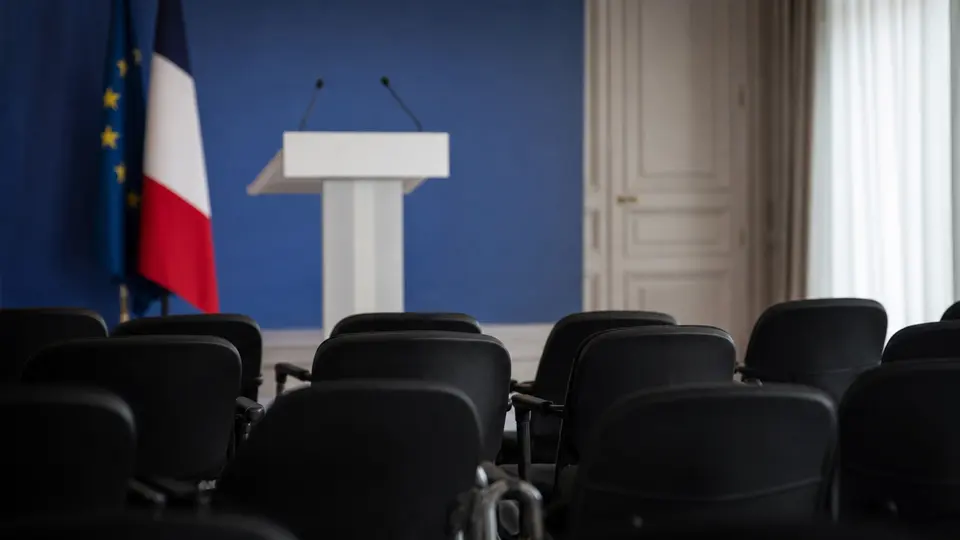
Edouard Philippe, the Horizons candidate for the 2027 French presidential election, has set out a sweeping overhaul of the national education system, centred on a 20 per cent rise in average teacher remuneration over the course of a single five-year term. The proposals, published in an interview with Le Figaro on Monday 24 August, position education as a defining plank of his prospective presidency.
Pay and dignity at the heart of the plan
Philippe, who is also mayor of Le Havre and a former Prime Minister, argued that teacher salaries must be raised to reach "at least the level of the European average, particularly mid-career." He justified the cost by pointing to a demographic shift: with nearly one million fewer pupils in the French school system, he contended it is possible to reduce class sizes where needed and improve pay "without worsening the public finances." He described the proposed increase as "massive, but indispensable to restoring dignity to the profession."
The former premier grouped his ambitions under three stated priorities: a school built around core knowledge, merit and excellence; the restoration of authority, security and calm within institutions; and the professional dignity of teachers.
Fines for parents and greater school autonomy
Among the more distinctive measures Philippe proposes is a "school responsibility fine" for parents of children who bully, persistently disrupt lessons, or play truant, as well as for parents who behave violently. He described the mechanism as modelled on existing practice in the United Kingdom. Under his plan, mayors would be empowered to impose such sanctions swiftly, acting on the recommendation of the school's teaching team.
Philippe also called for significantly greater autonomy for individual schools, allowing them to adapt daily and weekly timetables, class organisation and teaching methods to local circumstances. He said headteachers should have "much more power than today" to schedule additional teaching hours when required, and that schools should be able to bring forward the start of term by one or two weeks for pupils who struggle with what he described as an excessively long summer break. Other figures jostling for position ahead of 2027 have similarly sought to define themselves through domestic policy commitments.
A staged approach to artificial intelligence
On technology in the classroom, Philippe outlined what he called a "tiered approach" to artificial intelligence: a complete ban on AI use before secondary school, followed by training in responsible and informed usage, and ultimately the availability of an AI-powered academic support tool at sixth-form level. He also argued that AI should be "used to the maximum" to assist teachers in preparing lessons and marking work, framing it as a professional aid rather than a pupil-facing tool at younger ages.
The French education system has faced a series of difficult questions in recent years, and Philippe's proposals — which remain campaign commitments rather than enacted policy — reflect a broader effort to place the school at the centre of his 2027 pitch to voters. Whether the financial arithmetic underpinning the pay pledge will withstand scrutiny remains an open question.