Robles Defends Ceuta Crisis Record
- Defence Minister Robles will appear before Congress on Tuesday to defend the conduct of Spain's Armed Forces and intelligence services during the Ceuta migration crisis, which
- Around 80,000 migrants arrived in Ceuta in a matter of hours, prompting Robles to declare during a 12 August visit that the crisis "cannot happen again" and that Ceuta and Melilla
- The government has scheduled eight ministerial appearances in Congress over seven days, stating it handled the crisis in line with legality, institutional cooperation, and human
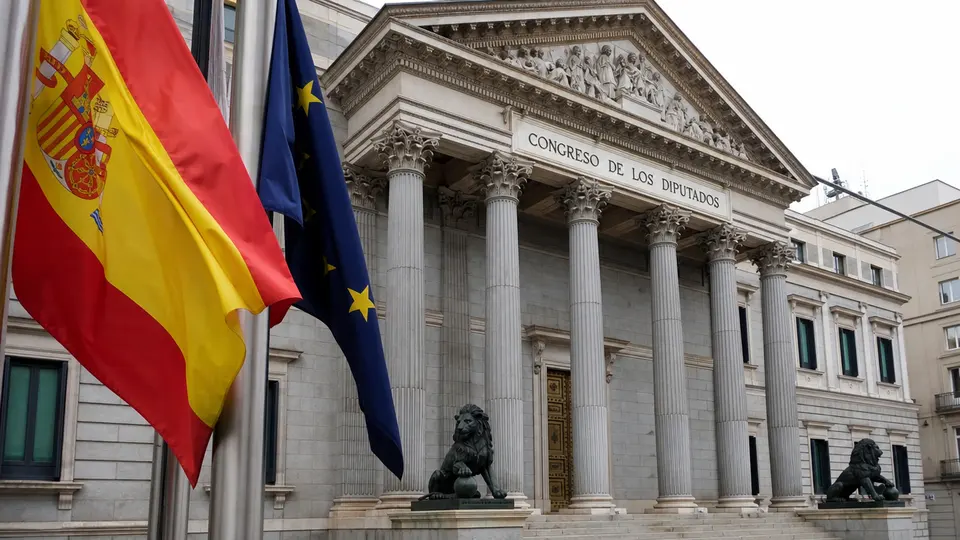
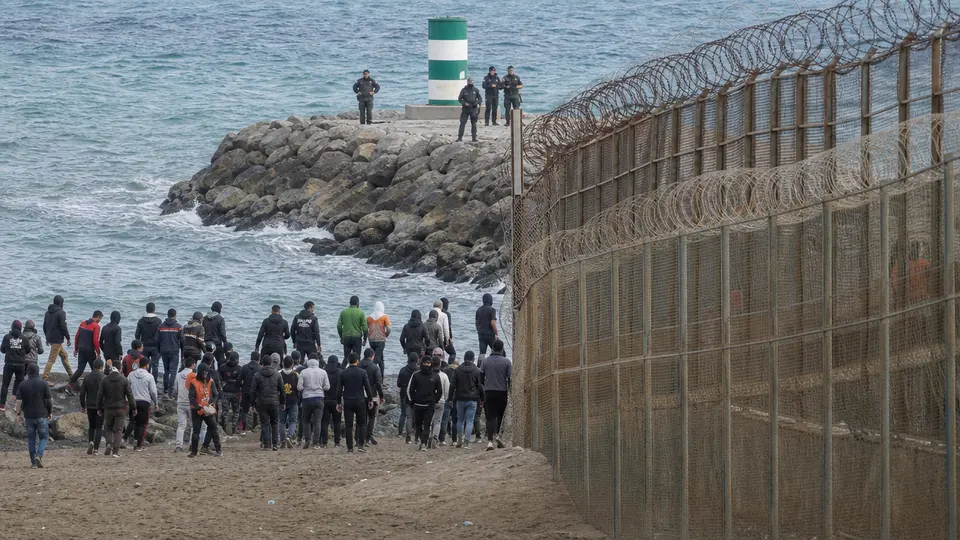
Spain's Defence Minister, Margarita Robles, is to appear before the lower house of Congress on Tuesday to reaffirm what she has described as the "good" and "professional" conduct of the Armed Forces and the National Intelligence Centre during the ongoing crisis in Ceuta, which began on 30 July following the sudden arrival of approximately 80,000 migrants in the space of a few hours.
Sovereignty asserted alongside operational defence
Beyond defending the security response, Robles is expected to reiterate the Spanish government's position on the territorial status of both Ceuta and Melilla, characterising their sovereignty as unquestionable. She made an identical argument during a visit to Ceuta on 12 August, when she told residents that the two enclaves were "as Spanish as can be" and insisted that the scale of arrivals that triggered the crisis "cannot be allowed to happen again".
Government mounts coordinated parliamentary offensive
Tuesday's appearance is the first in a series of eight ministerial sessions planned over the coming seven days. The government has indicated it intends to use these hearings to argue that the crisis was managed "from the first moment in accordance with the principles of legality, institutional collaboration and respect for human rights" — a formulation that amounts to a pre-emptive defence against opposition criticism of the response. First Vice-President Carlos Cuerpo reinforced that message on Monday with an in-person visit to Ceuta.
The parliamentary campaign comes 26 days after the crisis began, and follows the creation of a unified command for Ceuta under Minister Ángel Víctor Torres. Whether the coordinated ministerial appearances succeed in neutralising opposition pressure — or whether they expose further divisions over the government's management of what has become one of Spain's most acute migration emergencies in recent memory — remains to be seen.