Cuba's Díaz-Canel Says US Dialogue Is Stalled
- Cuban President Díaz-Canel has admitted that dialogue with the United States is 'stalled', with no defined agenda and no progress made despite prior contacts.
- Díaz-Canel declared 'under oppression there can be no dialogue', placing the blame for the deadlock squarely on Washington's continued pressure on Havana.
- The Cuban president denied that Cuba is 'on the brink of collapse', though the country is widely known to be enduring a severe economic crisis.
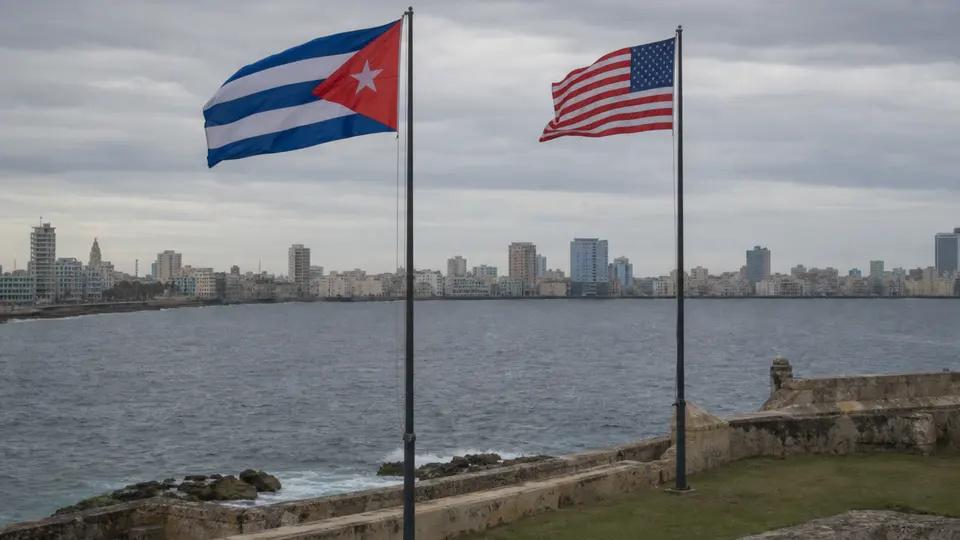
Cuban President Miguel Díaz-Canel has publicly acknowledged that diplomatic engagement between Havana and Washington is deadlocked, admitting that despite a stated "willingness to dialogue" and a series of prior contacts, no progress has been made and no formal agenda has been agreed.
No agenda, no advance
Speaking in an interview with Brazilian newspaper Folha de S.Paulo, Díaz-Canel said the dialogue with the United States "is stalled" and that the two sides have not been able to move forward. He offered no detail on the nature or timing of the contacts that had taken place, and the precise circumstances surrounding the breakdown remain unclear.
'Under oppression there can be no dialogue'
The Cuban president placed the responsibility for the impasse firmly on Washington, declaring: "Under oppression there can be no dialogue." The statement signals that Havana continues to link any diplomatic progress to the easing of American pressure — a position that has long defined the two countries' fractious relationship. Washington, for its part, has been pursuing a strategy aimed at slowly strangling the Cuban government economically, making a near-term diplomatic breakthrough appear unlikely.
Denial of imminent collapse
Díaz-Canel also pushed back against assessments that Cuba is "on the brink of collapse," flatly denying the characterisation. Cuba is widely acknowledged to be suffering a severe economic crisis — with acute shortages of food, fuel, and medicine — though the extent and trajectory of that crisis remain contested. The president did not elaborate on the basis for his denial, and independent verification of Cuba's economic position from within the country is limited.
The public admission of a stalled process is a rare candid acknowledgement from Havana, and underscores the depth of the impasse between two governments that have shown little sign of bridging their differences.