Burnham Faces Rosebank Drilling Decision
- Andy Burnham must decide whether to grant consent for the Rosebank and Jackdaw oil and gas fields after a Scottish court ruled their previous environmental assessments unlawful.
- Labour's manifesto ban on new drilling licences does not directly apply, as both fields were licensed under the previous Conservative government in 2022 and 2023.
- One academic argument holds that carbon capture and storage could make Rosebank compatible with net zero commitments, but only if operators are willing to fund it.
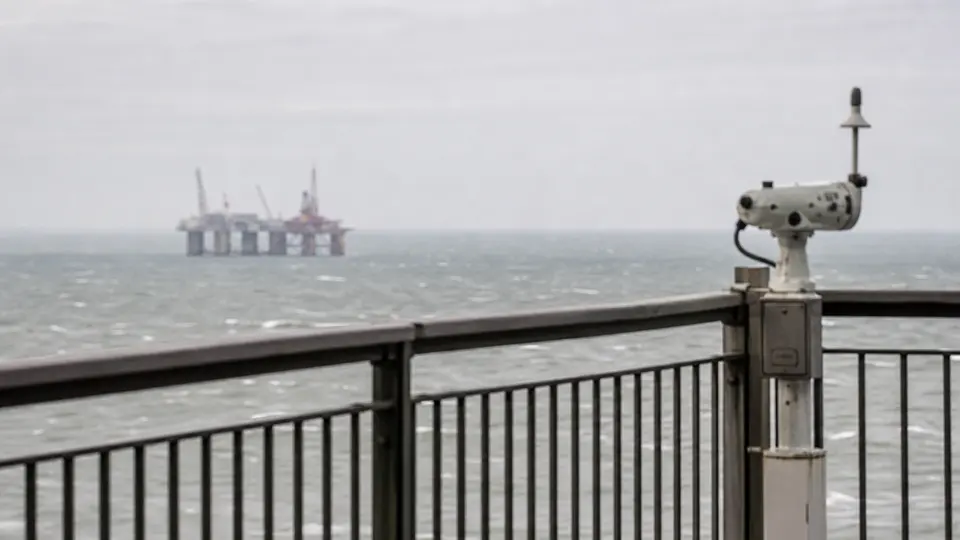
Prime Minister Andy Burnham faces an imminent and politically fraught decision on whether to grant development consent to two oil and gas fields — Rosebank in the North Atlantic and Jackdaw in the North Sea — with pressure bearing down from the energy industry and trade unions on one side and environmentalists on the other.
The legal backdrop
The decision has been forced back onto the government's desk following a ruling by Edinburgh's Court of Session, which found that the environmental impact assessments underpinning previous approvals were unlawful. The court determined that the Conservative government, which granted the original licences in 2022 and 2023, had failed to account for the emissions produced when oil and gas extracted from the fields is ultimately burned by consumers. While the court permitted work on the fields to continue, it required that fresh assessments be carried out and new consent be sought.
Labour's manifesto commitment offers limited cover
Labour's manifesto pledge not to approve new drilling licences does not straightforwardly resolve the dilemma, since both Rosebank and Jackdaw were already licensed under the previous administration. The government must therefore weigh its climate obligations against the reality of fields that are legally authorised and commercially advanced. Burnham has previously faced criticism for insufficient urgency on climate matters, and the Rosebank decision is likely to sharpen that scrutiny considerably.
Carbon capture as a possible condition
One argument advanced by Michael Jacobs, professor of political economy at the University of Sheffield and a former energy and climate change adviser to Gordon Brown, is that carbon capture and storage technology could, in principle, render Rosebank compatible with the UK's net zero commitments — provided the field's operators are prepared to bear the associated costs. This remains a conditional and contested proposition rather than settled policy.
The central unresolved question is whether Burnham will impose stringent enough conditions to satisfy the courts and climate campaigners, or whether the economic and energy security arguments will take precedence. North Sea oil has long functioned as a political flashpoint in British energy debate, and this decision looks set to intensify that contest.
More in Environment & Climate
→ Environment & Climate
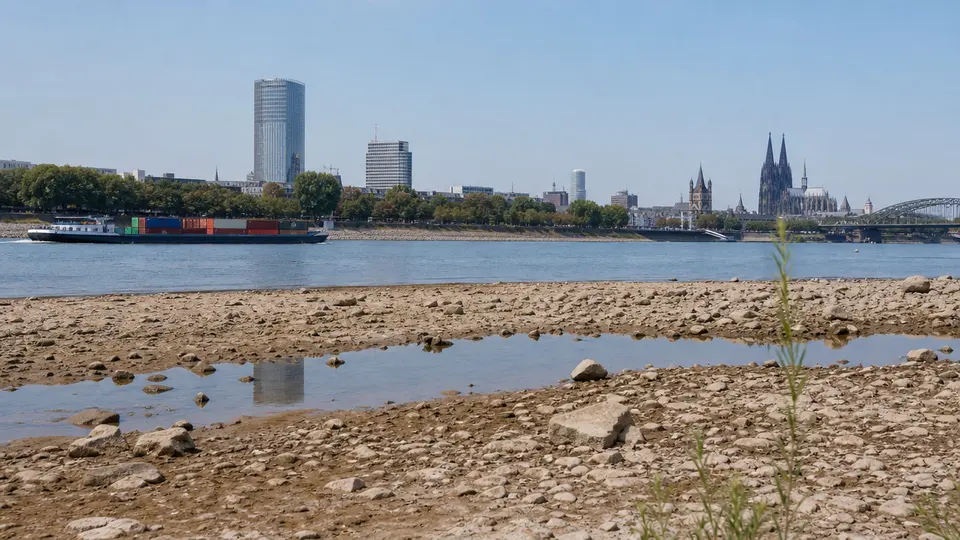
Germany Heatwave Costs Hit €36bn
Environment & Climate
Germany Heatwave Costs Hit €36bn
 Environment & Climate
Sunbrella Trend Sweeps Across Europe
Environment & Climate
Sunbrella Trend Sweeps Across Europe
 Environment & Climate
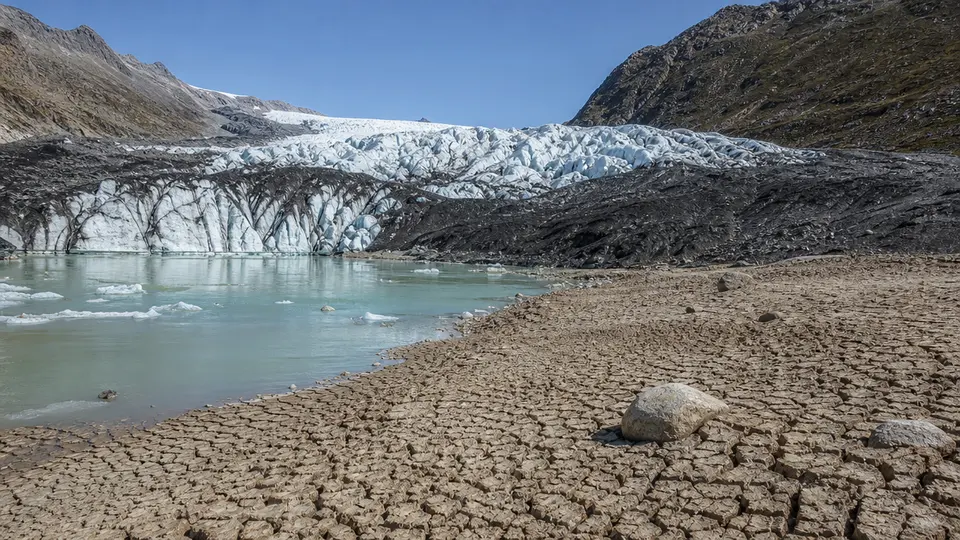
Europe Heatwave Toll Tops 35,000
Environment & Climate
France Potato Yield May Hit 30-Year Low
Environment & Climate
Europe Heatwave Toll Tops 35,000
Environment & Climate
France Potato Yield May Hit 30-Year Low
 Environment & Climate
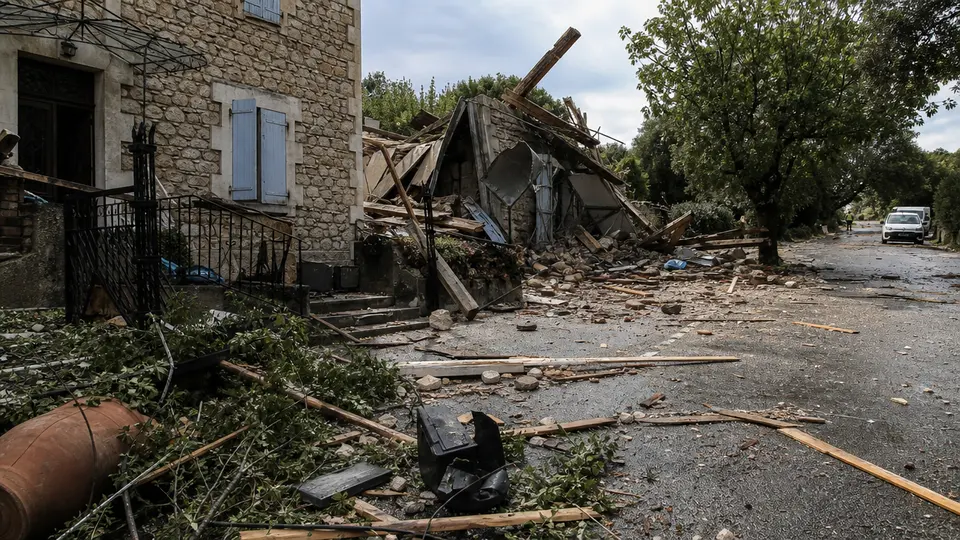
Tornado Strikes Pomas, 41 Injured
Environment & Climate
Tornado Strikes Pomas, 41 Injured
 Environment & Climate
German Apple Farms Fight Drought
Environment & Climate
German Apple Farms Fight Drought