German Apple Farms Fight Drought
- Apple farmer Albrecht Rembold near Heilbronn is running emergency drip irrigation after drought cut estimated yields by up to 3kg per tree, with trees shedding fruit under water
- Agricultural scientist Franz Rueß says water-retention reservoirs are a necessity for farms in southern Germany to remain viable, but permits and costs place them out of reach for
- Climate change has shifted apple blossom time roughly a month earlier — from May to April — raising the risk of frost damage and prompting researchers to breed late-flowering,
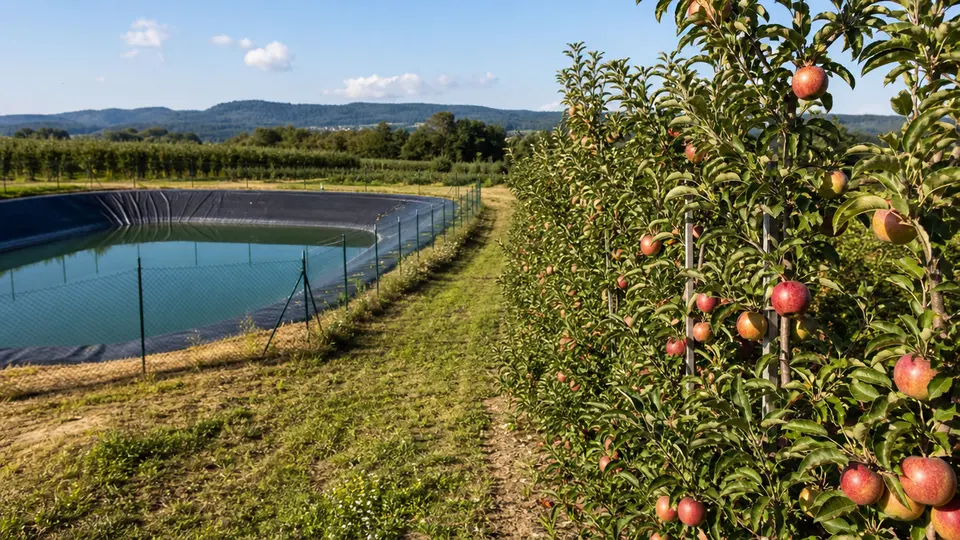
Apple growers in southern Germany are resorting to emergency irrigation measures after weeks of inadequate rainfall, with one farmer near Heilbronn estimating losses of up to three kilogrammes of fruit per tree — a stark illustration of the mounting pressure that heat and drought are placing on domestic orchards.
Emergency measures on the ground
Albrecht Rembold, who tends roughly 30 apple varieties on the hilly grounds of Obstbof Rembold near Heilbronn, has in recent days been ferrying water canisters to his trees and supplying them via fine drip hoses. He describes the operation bluntly: "We are playing the fire brigade — helping where it is worst, to prevent the stock from being ruined and to preserve quality." When water is scarce, apple trees shed fruit as a survival response, compounding the yield losses that heat alone causes. Rembold also notes that hail nets, now standard across his farm for crop security, provide an unexpected secondary benefit: they shade fruit from direct sunlight and reduce sunburn damage. Trees standing outside their protective shadow show visible yellowing and tissue injury.
The case for water-storage reservoirs
Rembold says he is considering the construction of a water-retention reservoir to capture rainfall during wetter periods, but acknowledges that permits are required and the capital outlay is beyond what current apple revenues can support — squeezed as they are by price pressure and competition from imported fruit. Franz Rueß, an agricultural scientist at the State Teaching and Research Institute for Viticulture and Horticulture in Weinsberg, argues there is little alternative. "Southern Germany in particular will have to rely on such reservoirs," he said. "It is a necessity for farms that want to be viable in the long term." The need is not limited to summer: growers also spray blossoms with water on spring nights when frost threatens, to protect them from cold damage, making reliable water access a year-round concern. British farmers facing similar pressures have turned to landscape-scale water management, including the reintroduction of beavers, to improve resilience against drought.
Climate change reshapes the growing calendar
Rueß points to a significant shift in apple-blossom timing driven by milder winters. Where trees once flowered in early to mid-May, they now do so in early to mid-April — roughly a month earlier. That advancement increases the likelihood of blossoms being exposed to damaging late frosts, a risk that compounds the water challenges growers already face. The pattern echoes conditions seen across northern Europe, where prolonged heat has been shrinking harvests for growers of all scales.
Climate-resilient varieties: a long-term prospect
One avenue of hope lies in newly bred cultivars designed to cope better with a warming climate. Rueß has himself developed a variety he calls "Mammut", selected for its late-blooming characteristic so that spring frosts are less likely to inflict damage. However, widespread uptake remains some years away: new trees require time to reach productive maturity, represent a significant financial commitment, and depend on consumer acceptance of unfamiliar varieties. Rembold remains determined to press ahead regardless. "I want to hand on a farm to my children, if they wish, that is in a better ecological and economic position than the one I inherited," he said — a sentiment that captures the generational stakes now attached to something as ordinary as a domestic apple.
More in Environment & Climate
→ Environment & Climate
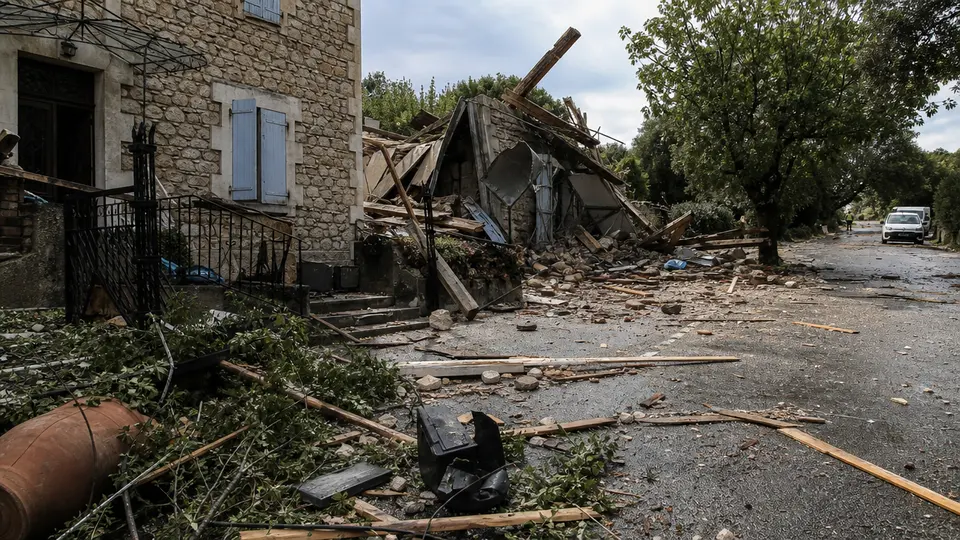
Tornado Strikes Pomas, 41 Injured
Environment & Climate
Tornado Strikes Pomas, 41 Injured
 Environment & Climate
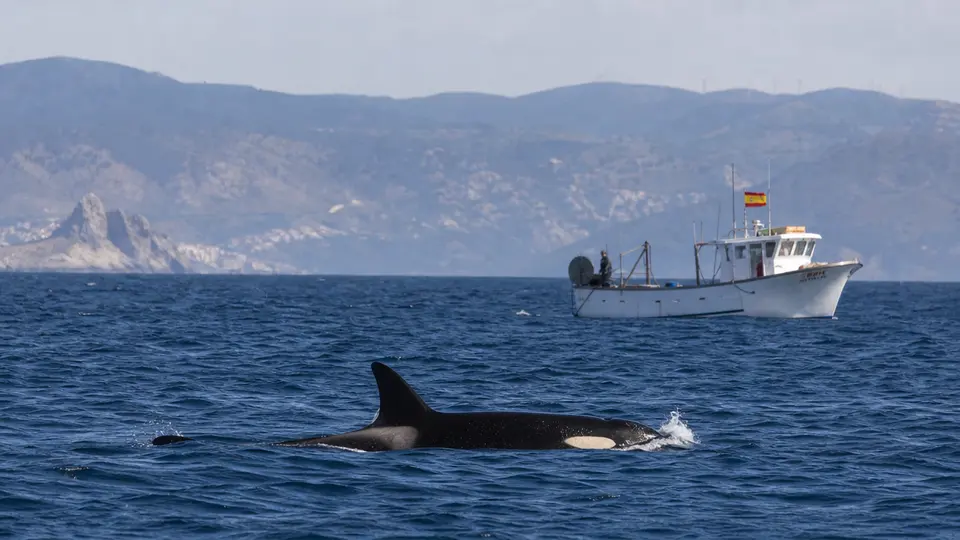
Matriarch Orca Shot from Spanish Vessel
Environment & Climate
Matriarch Orca Shot from Spanish Vessel
 Environment & Climate
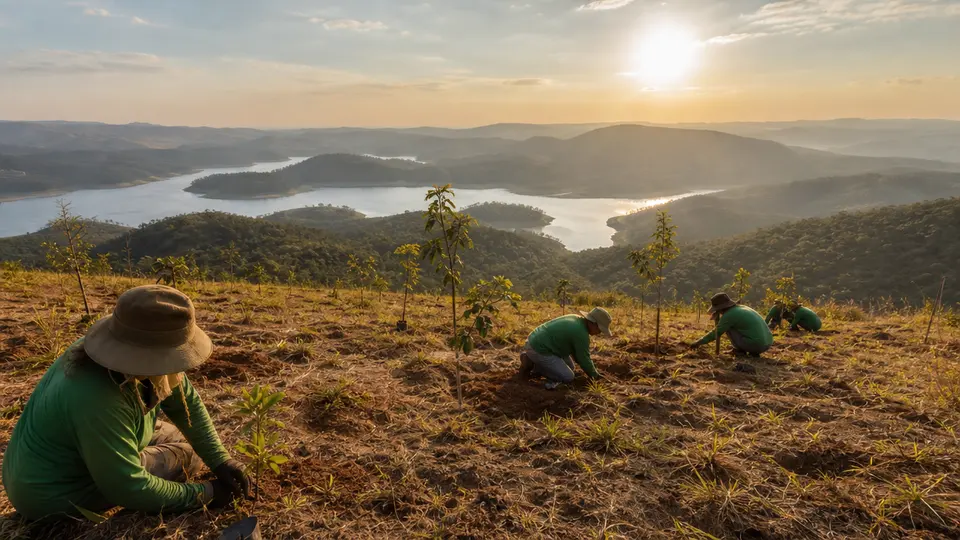
Brazil Heatwave to Follow Cold Snap
Environment & Climate
Brazil Heatwave to Follow Cold Snap
 Environment & Climate
Zamora Wildfire Contained, Village Freed
Environment & Climate
Zamora Wildfire Contained, Village Freed
 Environment & Climate
UK Climate Debate Hits a Reality Gap
Environment & Climate
UK Climate Debate Hits a Reality Gap
 Environment & Climate
Storm Sweeps Spain With Heavy Rain
Environment & Climate
Storm Sweeps Spain With Heavy Rain