Sánchez Acts on Ceuta After Month
- Pedro Sánchez announced a unified command structure and an economic plan for Ceuta nearly a month into the migration crisis, following sustained criticism of the government's
- Thousands of migrants remain in Ceuta's streets, sleeping rough and in overcrowded conditions, with the crisis described as far from resolved.
- The decision followed weekend consultations between Sánchez and his most senior ministers and closest advisers, conversations that had continued throughout the preceding weeks.

Spain's Prime Minister Pedro Sánchez moved at the weekend to overhaul his government's handling of the Ceuta migration emergency, announcing a unified command structure and an accompanying economic plan for the territory — a significant course correction that came nearly a month after the crisis first took hold.
A Month of Mounting Criticism
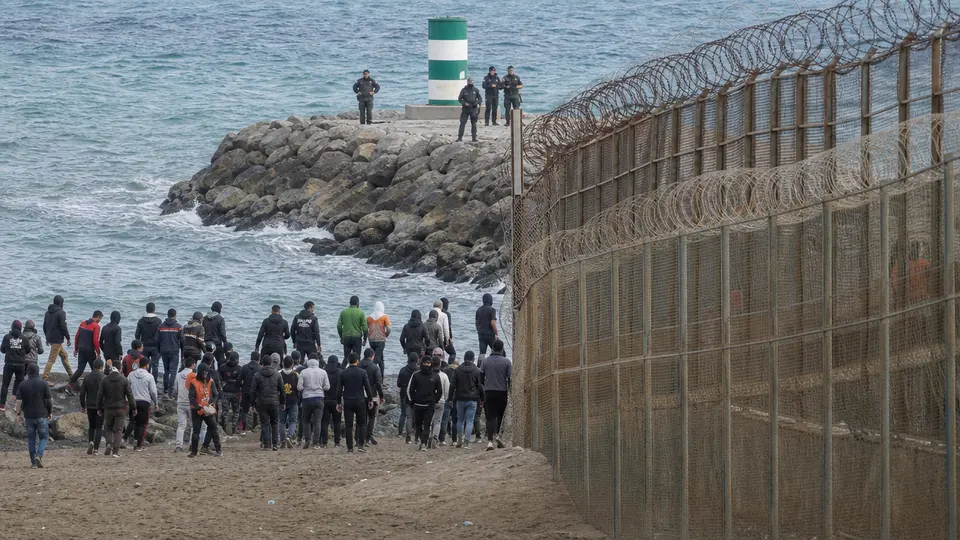
For close to four weeks, the Spanish government endured severe criticism over its response to the unfolding situation in Ceuta, where thousands of migrants remain on the streets of the enclave, many sleeping rough in deeply overcrowded conditions. By the government's own account, the emergency is far from resolved.
Throughout this period, Sánchez held repeated consultations with the ministers most directly affected and his closest advisers. Those conversations continued into the weekend, when the decision to change course was finally taken.
A Structural Shift, Details Still Unclear
The establishment of a unified command and the introduction of economic measures represent the most significant structural response the government has offered since the crisis began. The precise composition and remit of the command, and the scope of the economic plan, were not set out in the initial account of the announcement.
The humanitarian picture in Ceuta remains acute. Thousands of migrants are reported to be wandering the city's streets, many sleeping in the open and crowded together. Whether the new framework will materially accelerate a resolution to the protracted crisis remains, for now, an open question.