Spain Creates Unified Ceuta Command After Month-Long Delay
- The Spanish government has agreed to create a unified command for the Ceuta crisis, led by Ángel Víctor Torres, almost a month after the border emergency began.
- The government had previously rejected repeated calls for a unified command, insisting existing arrangements were sufficient, making the reversal a notable policy shift.
- The National Security Council will declare a 'situation of national security interest' in Ceuta, though the practical effects of both measures remain undefined.
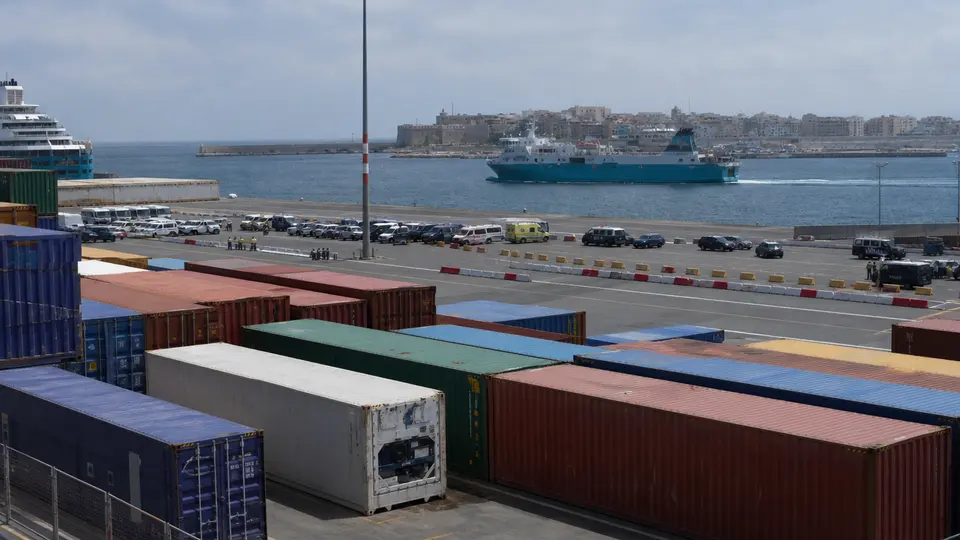
The Spanish government has reversed course on the management of the Ceuta border crisis, agreeing to establish a unified command structure nearly a month after the emergency began — and after repeatedly insisting no such body was necessary. The command will be led by Ángel Víctor Torres, in what the government itself characterises as a significant political shift.
A Reversal Under Pressure
On several previous occasions, critics had demanded the creation of a centralised command to coordinate the response to what has been described as the largest border crossing in Ceuta's recorded history. The government had consistently resisted, arguing the existing arrangements were adequate. That position has now been abandoned. The failures of earlier crisis management had drawn sustained criticism from across the political spectrum.
National Security Council to Act
Alongside the announcement of the unified command, the National Security Council is expected to formally declare a "situation of national security interest" in Ceuta. The designation carries procedural and symbolic weight, though officials have acknowledged that its practical consequences remain to be defined.
Implications Still Uncertain
The belated nature of the decision leaves open the question of what effect earlier coordination might have had on conditions in the enclave. Humanitarian pressures on the ground have persisted throughout the weeks since the initial crossing, and Spain's broader migration policy continues to face scrutiny. How the newly established command will operate in practice, and what specific measures will follow from the national security declaration, has not yet been made clear.