US Sanctions Target Iran-China Oil Ties
- The US has expanded Iran sanctions and warned all countries, including China, to cease business with Tehran or face exclusion from the dollar financial system.
- China, the largest buyer of Iranian oil for several years, has already seen flows disrupted following the renewal of the US port blockade in mid-July.
- Experts say Washington has stopped short of its harshest available measures, cautious that aggressive action against China could provoke economic retaliation.
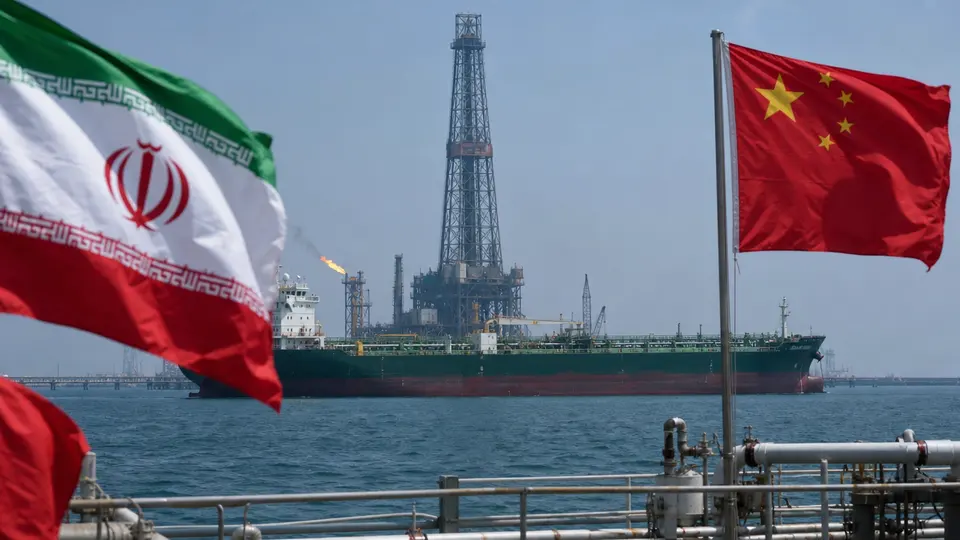
The United States has expanded its sanctions against Iran whilst stopping short of the most severe available measures, instead placing the international community on notice that continued commercial dealings with Tehran will carry significant financial consequences.
Bessent's Warning to Global Partners
Treasury Secretary Scott Bessent has warned that countries maintaining business ties with Iran risk being excluded from the dollar-based global financial system. Bessent specifically urged cooperation from China, which has for several years been the largest single buyer of Iranian oil. The warning underscores Washington's recognition that China's role is pivotal to any effective economic squeeze on Tehran.
Port Blockade Already Disrupting Flows
The US blockade of Iranian ports, renewed in mid-July, has already curtailed much of the Iranian oil reaching China, according to available reports. The blockade's early impact suggests the measures are having some practical effect ahead of any formal secondary-sanctions enforcement against Beijing.
The China Question Remains Unresolved
Experts cited in reports on the matter have noted that Washington is wary of pushing sanctions against China too aggressively, given the risk of economic retaliation from Beijing. That calculation appears to have informed the decision to stop short of the harshest punitive options whilst maintaining rhetorical and financial pressure. Whether China will ultimately reduce its Iranian oil purchases in response to US demands remains an open question, and the limits of American leverage over its largest strategic competitor are likely to define how effective the broader sanctions regime ultimately proves.