Rupert Lowe Earns Up to £1,476 an Hour From X Posts
- Rupert Lowe has earned £932 an hour from X posts since the start of the year, according to his own declarations in the register of MPs' financial interests, with payments reaching
- His posts on the Elon Musk-owned platform have included demands for mass deportations, prompting critics to allege that X is financially incentivising inflammatory content.
- Lowe is on course to earn as much from X as from his MP salary if current payment trends continue, though no denial or defence from him is recorded in the available source
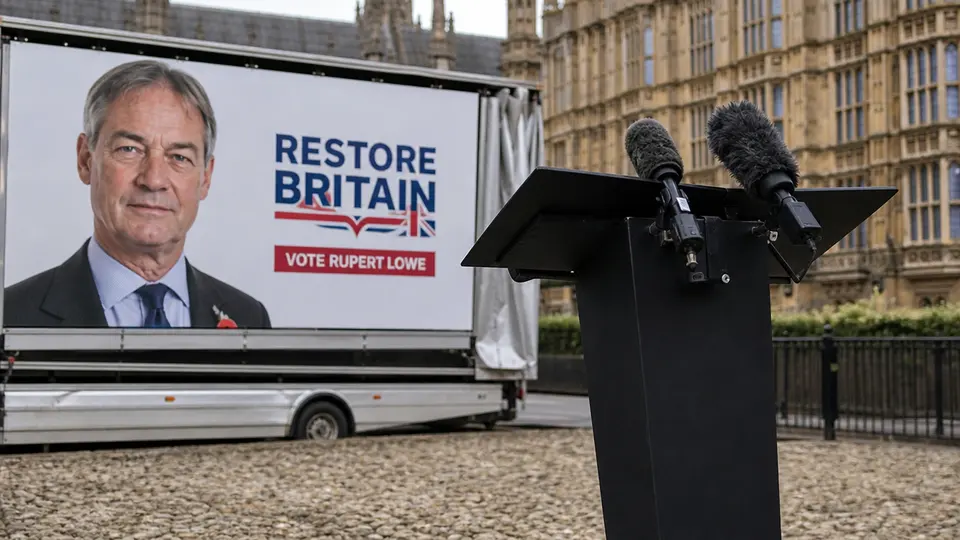
Rupert Lowe, leader of Restore Britain, is on course to earn as much from social media platform X as he receives in his parliamentary salary, according to declarations he has lodged in the official register of MPs' financial interests.
Declared earnings
Lowe has earned £932 an hour for posts published on X — formerly Twitter — since the beginning of the year, based on figures he has himself declared. The platform, owned by Elon Musk, has paid him up to £1,476 an hour according to the disclosed figures, though the source material does not specify whether the higher rate reflects a peak payment or a separate period. His posts have included demands for mass deportations.
Critics allege financial incentive for inflammatory content
Critics have alleged that X is financially incentivising inflammatory content by directing creator payments towards posts that generate high engagement, irrespective of their nature. Lowe has not been reported as offering a defence or denial of the criticism in the available source material, and the precise mechanism by which X calculates his payments is not detailed in his declarations.
Dual income under scrutiny
The register of MPs' financial interests requires members to disclose the hours worked and sums received for outside earnings. Lowe's entries indicate that, if current trends continue, his income from X could approach or match his parliamentary salary — a prospect that has drawn attention to the growing financial relationships between elected politicians and commercial social media platforms. The question of whether such arrangements create conflicts of interest or distort political discourse online remains unresolved. The broader issue of how social media companies monetise political content has gained renewed prominence, as illustrated by Donald Trump's Truth Social charging up to $100,000 a month for premium post access.