Hong Kong Vigil Leaders Convicted
- Lee Cheuk-yan, 69, and Chow Hang-tung, 41, leaders of the Hong Kong Alliance, were convicted of incitement to subversion on Friday and each face up to ten years in prison.
- The Hong Kong Alliance organised the city's annual Tiananmen vigil, which was the only large-scale public commemoration of the 1989 crackdown permitted anywhere in China.
- The 2019 vigil was the last to be held; the territory's national security law, introduced in 2020, has since been used to prosecute a wide range of civic and political activities.
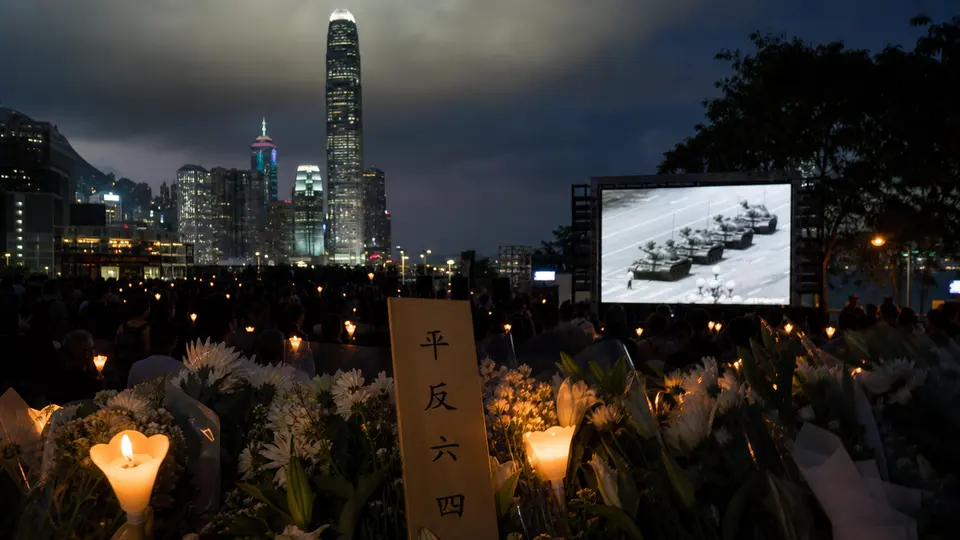
Two leaders of the organisation that for decades ran Hong Kong's annual Tiananmen Square vigil have been convicted of incitement to subversion under the city's national security law, bringing to a close one of the most high-profile prosecutions to arise from the suppression of civil society in Hong Kong.
The convictions
Lee Cheuk-yan, 69, and Chow Hang-tung, 41, both former leaders of the Hong Kong Alliance, were found guilty on Friday. The Alliance had organised the city's annual candlelight vigil commemorating the 1989 pro-reform protests in Beijing and the military crackdown that suppressed them. Both individuals now face up to ten years in prison.
The end of a unique commemoration
For many years, Hong Kong and Macau stood apart as the only places within China where the anniversary of the Tiananmen killings could be publicly marked. The territory's large annual vigil was widely regarded as the principal act of collective remembrance for an event that remains censored on the mainland. The 2019 vigil was the last to take place; the crackdown that followed the uprising of that year brought the gatherings to a permanent end and dismantled the freedoms under which they had been held.
The legal framework
The national security law under which Lee and Chow were prosecuted was introduced in 2020 following the 2019 unrest. Critics have characterised it as sweeping in scope; the authorities have applied it across a wide range of political and civic activities. The charge of incitement to subversion carries a maximum sentence of ten years.
The convictions underscore how profoundly the legal and civic landscape of Hong Kong has been transformed. Whether the international community or foreign governments will respond with anything more than formal expressions of concern remains, for now, an open question.
More in Crime & Justice
→ Crime & Justice
Eleven Cases Cloud Spain's Autumn
Crime & Justice
Eleven Cases Cloud Spain's Autumn
 Crime & Justice
Copacabana Lynching Shocks Brazil
Crime & Justice
Lockerbie Trial Postponed Again
Crime & Justice
Copacabana Lynching Shocks Brazil
Crime & Justice
Lockerbie Trial Postponed Again
 Crime & Justice
Third Leipzig Drone Carried Hexogen
Crime & Justice
Third Leipzig Drone Carried Hexogen
 Crime & Justice
Family Stranded 26 Days in Ceuta Estate
Crime & Justice
Family Stranded 26 Days in Ceuta Estate
 Crime & Justice
Post Offices Used to Launder Dirty Cash
Crime & Justice
Post Offices Used to Launder Dirty Cash