Germany's Music Sector Faces Cuts in 2027 Budget Draft
- Germany's 2027 federal budget draft would halve the Reeperbahnfestival's subsidy from around six million euros to three million, and reduce Initiative Musik's grants by an
- Industry representatives warn the cuts could shrink live-music opportunities for emerging artists, weaken Germany's position in the international music market, and harm social
- The budget is not yet passed — a Bundestag vote is planned for November — and figures may still change through the parliamentary process, as occurred with the Festival Support
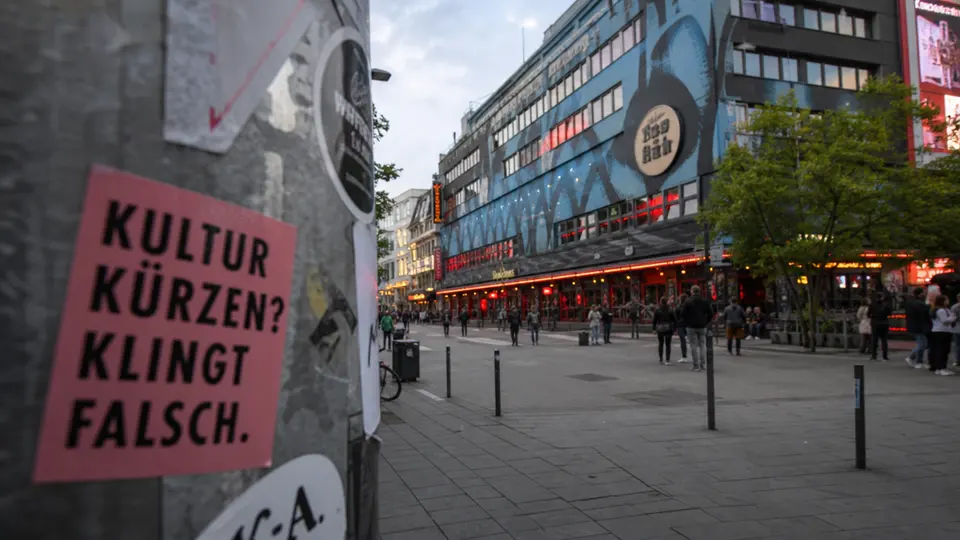
Germany's draft federal budget for 2027 proposes significant reductions to cultural funding, with the country's music industry warning that cuts to key support programmes could weaken the domestic live-music landscape and damage Germany's standing as an international music hub.
What the budget draft proposes
The government's budget outline — which has been the subject of parliamentary debate for several weeks — sets defence spending on an upward trajectory whilst trimming social payments including parental and housing benefits, and cutting portions of the culture budget. For the music sector, the draft would halve the Reeperbahnfestival's federal subsidy from roughly six million euros to three million. Initiative Musik, one of the country's principal funding bodies for pop and jazz, faces a reduction of approximately 800,000 euros in listed grants, though not all streams flowing to the organisation appear in the draft; the broader figure cited within the industry is closer to four million euros in total losses. The Festival Support Fund, which launched in 2023 with five million euros, is allocated two million euros in both the 2026 and 2027 drafts, down from four million euros secured last year after Initiative Musik's chief executive, Katja Lucker, successfully pressed for an increase during the parliamentary process.
Industry voices: 'A considerable weakening'
Alex Schulz, founder of the Reeperbahnfestival and chief executive of RBX GmbH, said reduced funding could force the event to shrink and deter international companies from attending — firms that would otherwise scout or broker emerging talent. "That would be a considerable weakening of small and medium-sized businesses and their talent at Germany as a music location, because they would no longer reach the international market," Schulz said. Lucker described the direction of travel as "not a good sign" for a country that regards itself as a cultural nation, adding that the festival fund specifically supports smaller and mid-sized events that serve as the nursery for artists performing before larger audiences for the first time. Ella Rohwer, chief executive of Pro Musik, which represents freelance musicians, warned of long-term consequences for diversity in German music. "If festivals and clubs disappear where newcomers can perform, that talent simply ceases to exist over time — and that is a very concrete threat to the variety of Germany's musical landscape," she said. Christian Ordon of the LiveMusikKommission pointed to rural areas as particularly exposed, arguing that festivals serve community and social cohesion functions beyond entertainment. The Bundesverband Popularmusik, in a formal statement, argued that "cultural funding is always also democratic funding," contending that pop music builds bridges across social divides at a time of increasing societal polarisation.
The Bayreuth contrast
The proposed cuts have sharpened a debate about the relative treatment of high culture and popular culture. Whilst the Reeperbahnfestival and Initiative Musik face reductions, the Bayreuth Festival — the prestigious Wagnerian opera event — is set to receive approximately one million euros more. A spokeswoman for the Minister of State for Culture and the Media attributed the increase to rising personnel costs resulting from collective wage agreements. Industry figures note that popular music festivals have faced the same cost pressures since the pandemic, with fees and security costs having risen substantially. Rohwer characterised the high-culture versus pop-culture divide as "also an emotional debate, because it is about being seen and, above all, about recognition as an economic factor in the music industry." The inaugural Hoi Festival, held near Augsburg this year with more than 20 acts and around 300 visitors per day across three days, received support from the Festivalförderfonds. Co-organiser Monika Nuber said it "would be a great shame if it were nipped in the bud after just one edition." The situation in Germany mirrors broader questions about how public institutions value popular music, a debate also playing out internationally — as seen in ongoing discussions about how major music award bodies categorise and support emerging genres, and in the way cinema attendance, another barometer of cultural health, has been tracking in Germany's own post-pandemic recovery.
What happens next
The budget has not yet been passed; a vote is scheduled for November. Before that, MPs will debate the draft in the Bundestag, and it is standard practice for figures to be revised during that process. The funding levels currently contained in the draft are therefore not final, and Lucker's success in reversing cuts to the festival fund last year suggests that parliamentary intervention remains a realistic prospect for the industry.
More in Culture & Arts
→ Culture & Arts
Why Penthouses Became Status Symbols
Culture & Arts
Why Penthouses Became Status Symbols
 Culture & Arts
Belgian Pie-Thrower Godin Dies at 80
Culture & Arts
Belgian Pie-Thrower Godin Dies at 80
 Culture & Arts
Shetland's Spanish Armada Legend
Culture & Arts
Shetland's Spanish Armada Legend
 Culture & Arts
Turner Prize Winner's Sound Evidence
Culture & Arts
Freddie Mercury Costumes on Show at V&A
Culture & Arts
Kit Harington Joins Harry Potter Series
Culture & Arts
Turner Prize Winner's Sound Evidence
Culture & Arts
Freddie Mercury Costumes on Show at V&A
Culture & Arts
Kit Harington Joins Harry Potter Series