How a Björk Concert Sparked a Horchata Revival in Valencia
- Andoni Monforte, Yolanda Morán, and two friends set up a horchata cart at a Björk concert in Valencia on 30 May 2003, succeeding despite widespread scepticism from their social
- Repeated encounters with elderly customers who recognised the selling method as authentically traditional led the group to research archives at the University of Valencia,
- The venture eventually became Món Orxata, a company dedicated to artisanal horchata, with the founders describing their commitment to chufa and its drink as an obsession.
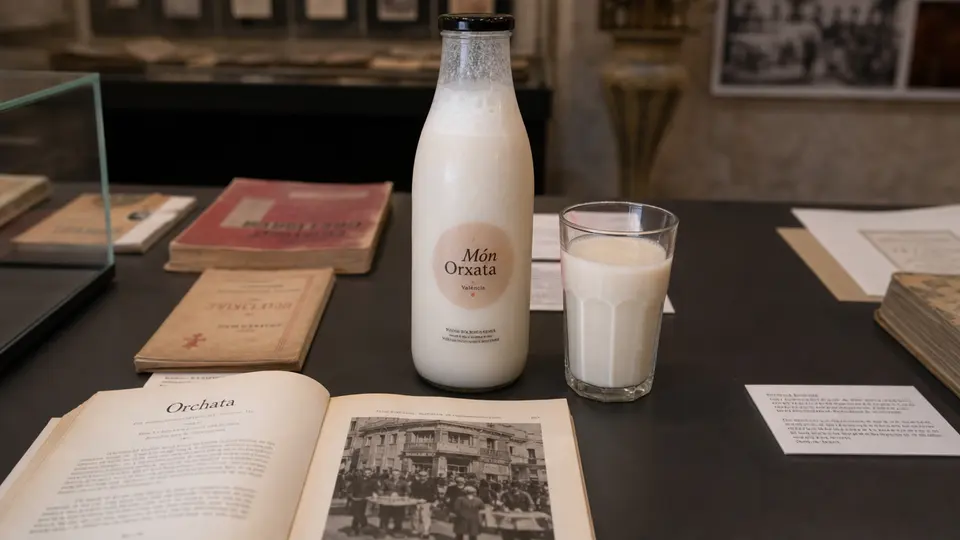
On the evening of 30 May 2003, four friends — Andoni, Yolanda, Nerea, and Antón — positioned a small horchata cart outside the Ciudad de las Artes y las Ciencias in Valencia, ahead of a Björk concert. Their friends had told them it would not work: concerts were for spirits and beer, not the traditional Valencian tiger-nut drink. They were wrong.
A hunch vindicated by history
The cart proved an immediate success, and the four novice horchateros concluded that the drink held an appeal beyond the narrow time-slots to which modern habits had confined it. Yet the more telling revelation came in the weeks and months that followed, when elderly passers-by repeatedly stopped at the cart with the same exclamation: that this was precisely how horchata had always been sold. Struck by the frequency and consistency of those reactions, the group turned to the archive at the University of Valencia. What they found there reinforced what the older generation had been telling them: they had, without realising it, stumbled upon the oldest surviving method of selling horchata.
An obsession takes root
Two of the original four, Andoni Monforte and Yolanda Morán — both now 53 and from Valencia — have since built their enterprise, Món Orxata, around the chufa and its derivatives. Speaking from the company's headquarters, the pair describe the ingredient and its associated drink as something closer to an obsession than a business. Whether that obsession can sustain a wider commercial proposition remains an open question, but the founding episode offers a vivid illustration of how traditional food cultures can be recovered almost by accident — and of how older communities often serve as their most reliable custodians.
More in Culture & Arts
→ Culture & Arts
Why Penthouses Became Status Symbols
Culture & Arts
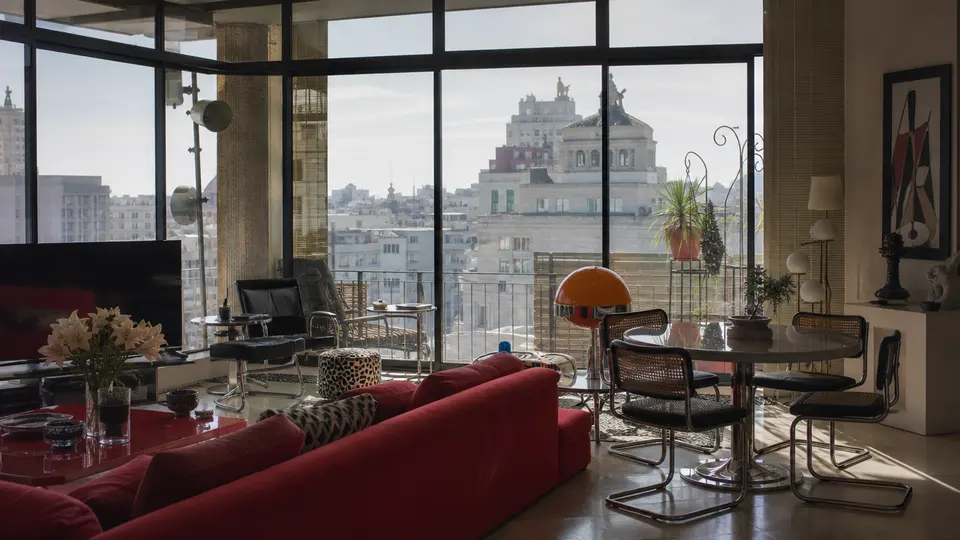
Why Penthouses Became Status Symbols
 Culture & Arts
Belgian Pie-Thrower Godin Dies at 80
Culture & Arts
Belgian Pie-Thrower Godin Dies at 80
 Culture & Arts
Shetland's Spanish Armada Legend
Culture & Arts
Shetland's Spanish Armada Legend
 Culture & Arts
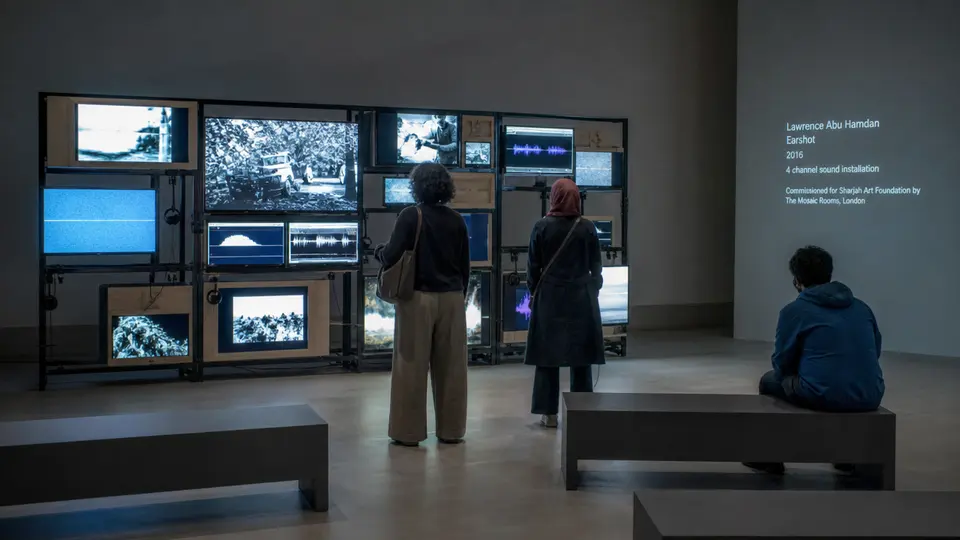
Turner Prize Winner's Sound Evidence
Culture & Arts
Freddie Mercury Costumes on Show at V&A
Culture & Arts
Kit Harington Joins Harry Potter Series
Culture & Arts
Turner Prize Winner's Sound Evidence
Culture & Arts
Freddie Mercury Costumes on Show at V&A
Culture & Arts
Kit Harington Joins Harry Potter Series