Venezuela Scraps Police Checkpoints
- Venezuela's acting president Delcy Rodríguez announced on Monday the abolition of controversial police checkpoints that were frequently cited as sources of public abuse.
- The declaration was made in a national broadcast roughly two months after a double earthquake on 24 June that has killed more than 6,000 people.
- Rodríguez also announced the reactivation of police street patrols as part of a broader effort to consolidate improvements in public security.
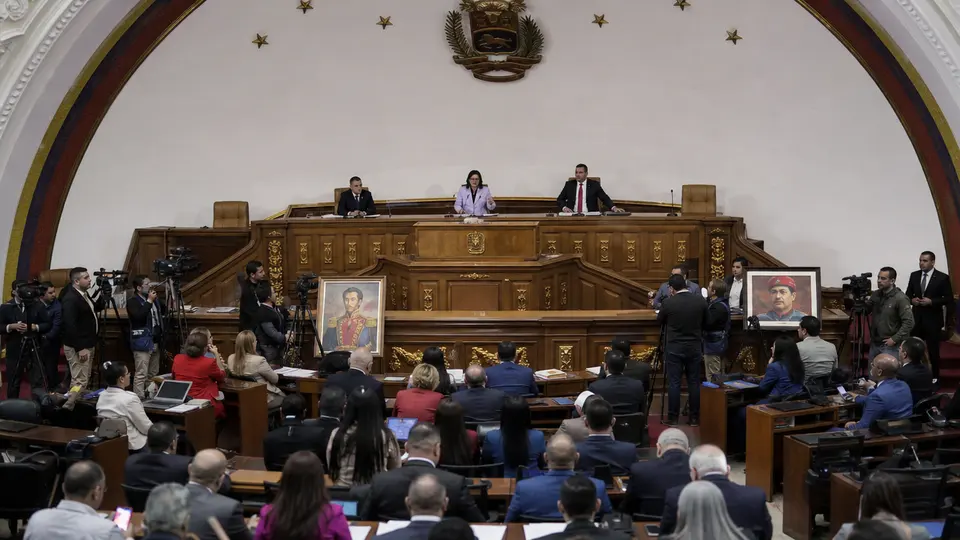
Venezuela's acting president, Delcy Rodríguez, has announced the abolition of the country's controversial police checkpoints — long identified as a source of abuse complaints against the public — and their replacement with a reinvigorated street patrol system aimed at consolidating recent security gains.
Announcement made in national broadcast
Rodríguez made the declaration during a nationally broadcast radio and television address on Monday, delivering the policy shift to the Venezuelan public roughly two months after a devastating double earthquake struck the country on 24 June, a disaster that has so far claimed the lives of more than 6,000 people and left thousands more missing or displaced.
Checkpoints criticised as tools of abuse
The police control posts, which were a familiar fixture across Venezuela, had attracted persistent criticism from human rights monitors and ordinary citizens alike, who described them as frequently exploited by officers to harass, extort, or otherwise abuse members of the public. The formal description of the posts as polémicos — controversial — reflects their contested standing within Venezuelan society.
Security reforms in post-earthquake context
The decision to scrap the checkpoints and restore conventional patrol policing comes as the Rodríguez administration faces multiple simultaneous pressures: managing the humanitarian and governance consequences of a seismic disaster that has already produced significant loss of life, while seeking to demonstrate credible progress on public order. Whether the reform will be implemented uniformly across the country's security forces, and how quickly the transition to patrol-based policing will take effect, remains unconfirmed from the material available.
The announcement marks one of the most significant shifts in Venezuela's internal policing policy in recent years and signals that Rodríguez intends to use the post-earthquake period as an opening to address longstanding grievances over law enforcement conduct.