Oceans Hit Highest Recorded Temperature in August
- Global ocean surface temperatures outside the polar regions reached a record 21.1°C on Saturday, fractionally surpassing the previous high of 21.09°C set in March 2024, according
- The timing is considered especially alarming by scientists because ocean temperatures normally peak in March or April, not August, suggesting El Niño is intensifying unusually
- Senior researchers warn that temperatures could rise further as El Niño has not yet reached its expected peak, with a new record possible as early as spring 2027.
The world's oceans have reached their highest ever recorded average surface temperature, according to new data from the European Copernicus climate change service, prompting fresh alarm among scientists about the combined pressures of human-caused climate change and a rapidly strengthening El Niño weather phenomenon.
A record broken out of season
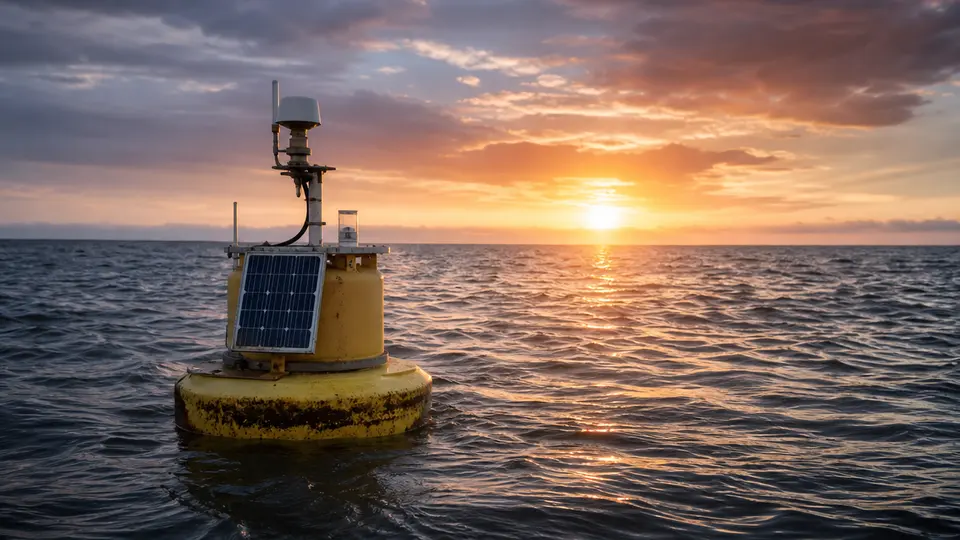
The average sea surface temperature outside the polar regions hit 21.1°C (70°F) on Saturday, edging past the 21.09°C recorded on three separate days in March 2024. Scientists caution that the margin is currently very small and that any global estimate carries inherent uncertainties. The data is compiled from measurements taken 10 metres below the surface using buoys, ships, and satellites, combined to produce a worldwide figure.
What has struck researchers is not merely the temperature itself, but when it has occurred. Average ocean temperatures typically reach their annual peak in March or April, coinciding with the end of summer in the southern hemisphere — not in August. Because the southern hemisphere holds a greater proportion of the planet's ocean surface than the northern, it exerts a stronger influence on global averages. That temperatures are already at record levels so far outside the usual peak window is, scientists say, particularly notable.
Scientists warn further rises are possible
Dr Samantha Burgess, deputy director of Copernicus, described the reading as "another clear signal of an ocean under growing stress". She added that while El Niño was contributing additional heat, it was doing so "on top of decades of human-driven warming".
Dr Jeremy Grist, senior research fellow at the National Oceanography Centre in Southampton, pointed out that El Niño has not yet reached its expected peak — meaning temperatures could climb further. "The fact that we are already breaking records is an early indicator of how strong the El Niño is becoming," he said. He added that, all things being equal, the ocean temperature record could be broken again in March or April 2027.
Wider consequences
Elevated ocean temperatures carry far-reaching consequences, scientists note, including supercharging extreme weather events, accelerating sea-level rise, and placing severe stress on marine ecosystems. The ecological and coastal disruption already associated with El Niño is becoming visible in parts of the world. With the phenomenon still building towards its anticipated peak, the months ahead may test both climate models and coastal communities alike.
More in Environment & Climate
→ Environment & Climate
Tornado Strikes Pomas, 41 Injured
Environment & Climate
Tornado Strikes Pomas, 41 Injured
 Environment & Climate
German Apple Farms Fight Drought
Environment & Climate
German Apple Farms Fight Drought
 Environment & Climate
Matriarch Orca Shot from Spanish Vessel
Environment & Climate
Matriarch Orca Shot from Spanish Vessel
 Environment & Climate
Brazil Heatwave to Follow Cold Snap
Environment & Climate
Brazil Heatwave to Follow Cold Snap
 Environment & Climate
Zamora Wildfire Contained, Village Freed
Environment & Climate
Zamora Wildfire Contained, Village Freed
 Environment & Climate
UK Climate Debate Hits a Reality Gap
Environment & Climate
UK Climate Debate Hits a Reality Gap