Macarena García on Self-Criticism and Life After Blancanieves
- Macarena García, who won a Goya and a Concha de Plata for her 2012 debut in Blancanieves, has admitted that the pressure of early stardom took significant time to overcome.
- The actress has released two projects in 2026 — the film Un hijo and the series Se tiene que morir mucha gente — and is currently filming an undisclosed third project in Barcelona.
- In a recent interview, García said she has historically been harsh in her self-talk but is now working to treat herself with greater kindness.

Macarena García, the 38-year-old Madrid-born actress, has spent much of this summer in Barcelona, filming an undisclosed project between a pair of rare free weekends. It is a quietly fitting image for a career that has rarely paused since it began — not at the bottom, but near the very top.
A debut that cast a long shadow
García launched her professional life in 2012 with Pablo Berger's silent film Blancanieves, winning both a Goya Award and a Concha de Plata at San Sebastián. It was the kind of recognition that most actors wait years, sometimes decades, to receive. By her own account, however, that early triumph carried a cost. She has spoken candidly about the internal pressure her lauded debut eventually created — a pressure, she says, that took considerable time to dismantle. "I have spoken very badly to myself," she has said, "but now I treat myself better."
Two new projects in 2026
Whatever weight she once carried appears not to have slowed her output. This year alone she has released two projects: the film Un hijo, in which she stars alongside Hugo Silva, and the television series Se tiene que morir mucha gente, written by Victoria Martín, which has drawn attention for its treatment of female friendship. A third, unnamed project is currently in production in Barcelona's Eixample, though García has said she is unable to discuss it.
Sustained presence across formats
The breadth of her work — film, television, and theatre across more than a decade — distinguishes García from peers who have struggled to maintain momentum after a high-profile debut. Her reflections on self-criticism and psychological resilience arrive at a moment when Spanish screen talent is commanding growing international attention, with Spanish filmmakers also making inroads at the highest levels of the festival circuit. Whether García's candour about her inner life represents a shift in how she approaches public-facing work, or simply a moment of openness in an otherwise guarded career, remains to be seen. What is clear is that, by any measure of sustained professional activity, the pressure of her beginning has not broken her stride.
More in Culture & Arts
→ Culture & Arts
Why Penthouses Became Status Symbols
Culture & Arts
Belgian Pie-Thrower Godin Dies at 80
Culture & Arts
Why Penthouses Became Status Symbols
Culture & Arts
Belgian Pie-Thrower Godin Dies at 80
 Culture & Arts
Shetland's Spanish Armada Legend
Culture & Arts
Shetland's Spanish Armada Legend
 Culture & Arts
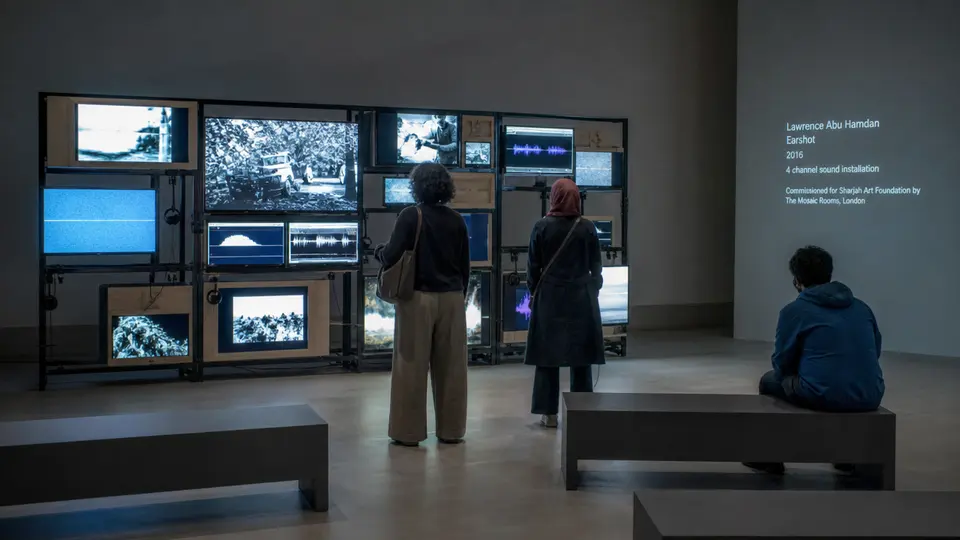
Turner Prize Winner's Sound Evidence
Culture & Arts
Freddie Mercury Costumes on Show at V&A
Culture & Arts
Kit Harington Joins Harry Potter Series
Culture & Arts
Turner Prize Winner's Sound Evidence
Culture & Arts
Freddie Mercury Costumes on Show at V&A
Culture & Arts
Kit Harington Joins Harry Potter Series