Colombia's New President Orders Immigrant Crackdown
- Colombian president Abelardo de la Espriella, in office for just over two weeks, ordered authorities to detain and deport irregular migrants and foreign nationals accused of
- The announcement was made on Sunday as Colombia continued to recover from a 7.4-magnitude earthquake on 10 August that killed more than 300 people and destroyed more than 30,000
- De la Espriella, a far-right millionaire former lawyer, has been characterised as echoing the immigration approach of his ally Donald Trump, though the operational details of the
Colombia's far-right president, Abelardo de la Espriella, has ordered authorities to detain and deport people in the country irregularly or accused of criminal offences, in a sweeping immigration enforcement announcement made on Sunday — just over two weeks after taking office.
Crackdown declared as earthquake recovery continues
De la Espriella, a millionaire former lawyer, declared that operations to "track down illegal immigrants" should commence this week. The announcement came as Colombia remained in the grip of the aftermath of a 7.4-magnitude earthquake that struck on 10 August, which killed more than 300 people and destroyed more than 30,000 homes. The decision to press ahead with a contentious immigration enforcement drive in the midst of a major humanitarian crisis drew immediate attention to the new government's political priorities.
Echoes of Trump alliance
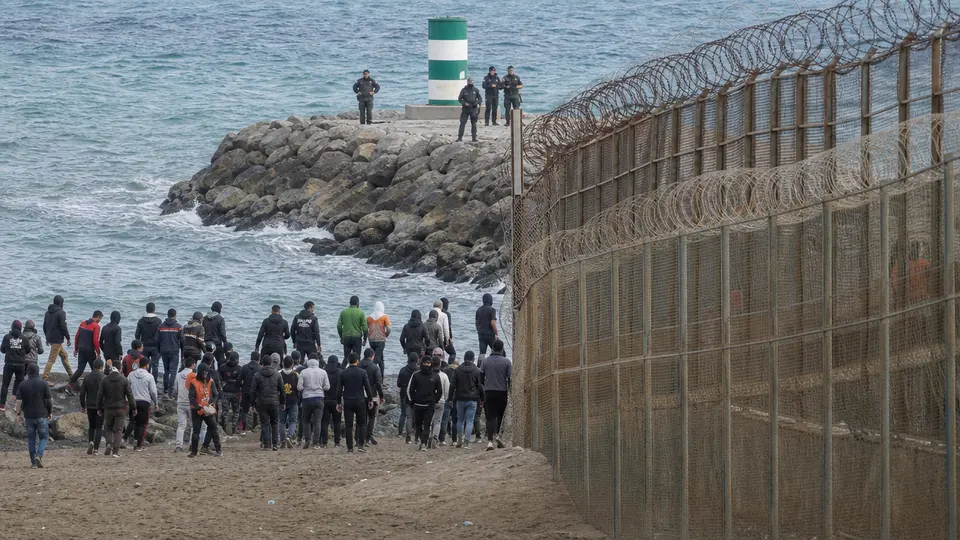
The far-right leader's stance has been characterised as echoing that of Donald Trump, described as an ally of the new Colombian president. The rhetorical and policy alignment with Washington's approach to irregular migration marks a sharp ideological signal from Bogotá's new administration in its opening fortnight. Similar hardline positions on irregular migration have surfaced across the wider region; in Spain, opposition leader Alberto Núñez Feijóo separately demanded the expulsion of all irregular migrants from Ceuta.
Scope and implementation remain unclear
The precise mechanisms by which the crackdown will be executed — including which agencies will lead operations, the scale of those targeted, and any legal safeguards — were not set out in the announcement. The full implications of the order, particularly against the backdrop of an ongoing national emergency, remain unresolved.