Care Leavers Dying at Three Times the Rate of Peers
- A government-commissioned review found that more than 100 care leavers in England died in a single year, with the death rate three to four times higher than the general population.
- The review attributes the elevated mortality to an 'immense drop-off' in social services support that takes effect when young people turn 18, leaving many in profound isolation.
- The report describes the pattern of early deaths as a national tragedy, concluding that many individuals were left entirely without support 'at the height of vulnerability' before

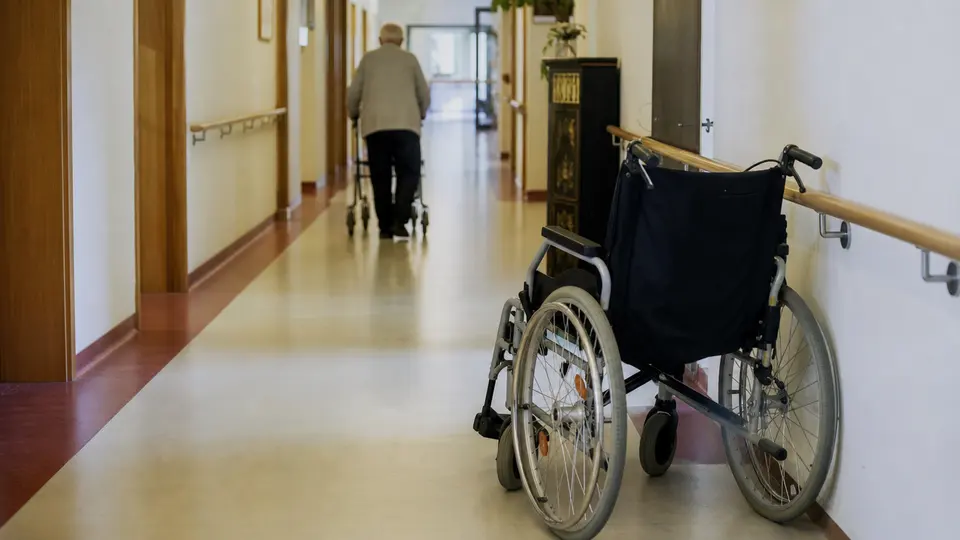
More than 100 care leavers in England died within a single year as a result of profound isolation, a government-commissioned review has concluded, describing the situation as a national tragedy and warning that young people are being abandoned at the moment they are most at risk.
A cliff edge at eighteen
The review found that a dramatic drop-off in support from social services at the age of 18 is directly contributing to the elevated death rate among former looked-after children. According to the report's findings, those who left care were dying at a rate three to four times higher than among the general population — a disparity attributed in large part to the isolation that follows the abrupt withdrawal of statutory support.
Investigators described many of the young people as having been left entirely on their own "at the height of vulnerability" in the period before their deaths. The language of the report is unsparing: the pattern of early deaths is characterised not as a series of individual misfortunes but as a systemic failure with predictable, recurring consequences.
The scale of the problem
The review, commissioned by the government, examined the early deaths of young people who had been in the care system in England. Its central finding is that the "immense drop-off" in professional support — which occurs at 18 as a matter of policy — is a significant contributing factor to the mortality gap between care leavers and their peers. The specific timeframe of the year under review and the full scope of the report's recommendations were not detailed in the material available.
The findings add fresh urgency to longstanding concerns about the adequacy of transitional support for young people leaving the care system. As public health researchers have warned for years, the intersection of housing instability, financial precarity, and social disconnection places this cohort at disproportionate risk — yet the institutional response at 18 is, by the review's account, to step back rather than step in. Whether the government will act on the report's implicit call for reform remains to be seen.
One fifth of all deaths among care leavers occur at the age of 18 itself — the precise point at which statutory support is withdrawn — a detail that sharpens the picture of what campaigners are calling a 'care cliff'. The human cost is illustrated by the case of David, who spent his teenage years in a children's home where a nurse helped him manage his type 1 diabetes, only to lose that specialist support at 19 when he was deemed too old for the service. He had already been moved into supported accommodation alone as he approached 18.