Routine Procedures Carry Hidden Risks
- Ranjana Srivastava argues the boundary between a procedure being medically available and genuinely useful has become dangerously blurred.
- She recounts a case in which a patient suffered a life-threatening emergency during what had been described as a routine procedure.
- Srivastava urges patients to ask critical questions about risk and evidence before consenting to any treatment, however routine it is labelled.
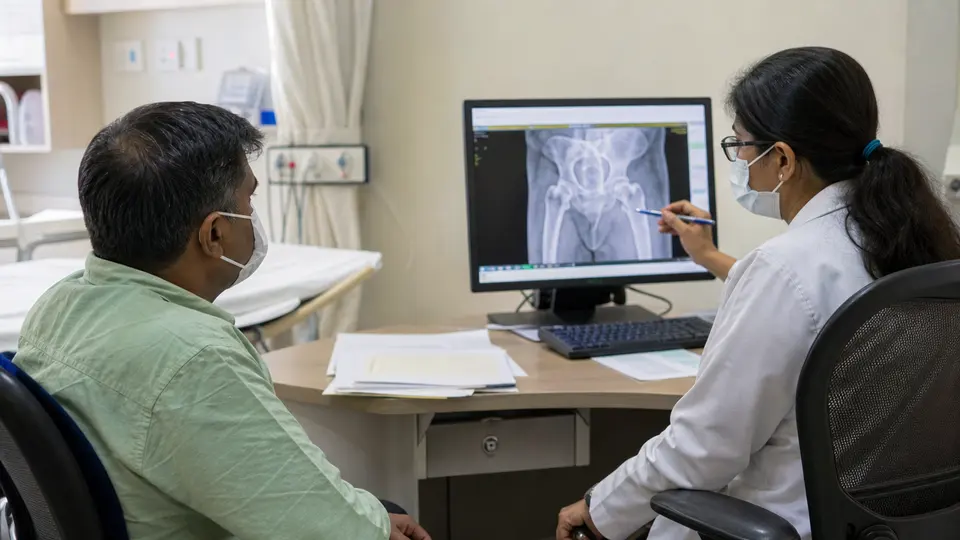
Patients are not asking enough questions before agreeing to medical procedures described as routine, according to medical commentator Ranjana Srivastava, who argues that the distinction between a treatment being medically available and it being genuinely useful has become dangerously blurred.
When 'Routine' Goes Wrong
Srivastava illustrates the stakes with an account of a friend whose husband was admitted for what physicians had termed a routine procedure. While the friend waited to collect him, an overhead announcement called a medical emergency code — and, she recounts, instinct told her immediately that it concerned her husband. The episode, offered as an opening to a broader argument, underscores what Srivastava presents as a systemic failure to communicate procedural risk honestly to patients.
A Blurred Distinction
At the heart of her argument is the claim that the medical profession has allowed the boundary between what is medically possible and what is medically advisable to erode. That erosion, she suggests, leaves patients ill-equipped to weigh genuine benefit against genuine risk — particularly when the word "routine" is applied in ways that may be reassuring but not always accurate. This concern echoes wider debates about patient experience during procedures, including reports of women experiencing severe pain during routine NHS womb examinations that were not adequately flagged in advance.
The Case for Asking Questions
Srivastava's central prescription is straightforward: before consenting to any treatment, however it is characterised, patients should press for clear answers about its risks, its alternatives, and the evidence supporting its use. The implication is that the language of routine, as routinely deployed, may itself be a barrier to informed decision-making — and that changing the conversation between clinician and patient carries consequences that can be, literally, a matter of life and death.
More in Health
→




Read in another language