Zema Pledges Amnesty for Jan 8 Rioters
- Romeu Zema has pledged either an amnesty or a 'non-political tribunal' for those convicted over the January 8 storming of government buildings in Brasília.
- The former Minas Gerais governor alleged the prosecutions amounted to 'persecution' and called the trials 'totally political', while acknowledging that vandalism did occur.
- Zema also disputed the charges brought against former president Jair Bolsonaro, though he offered no detail on how his proposed measures would be legally enacted.
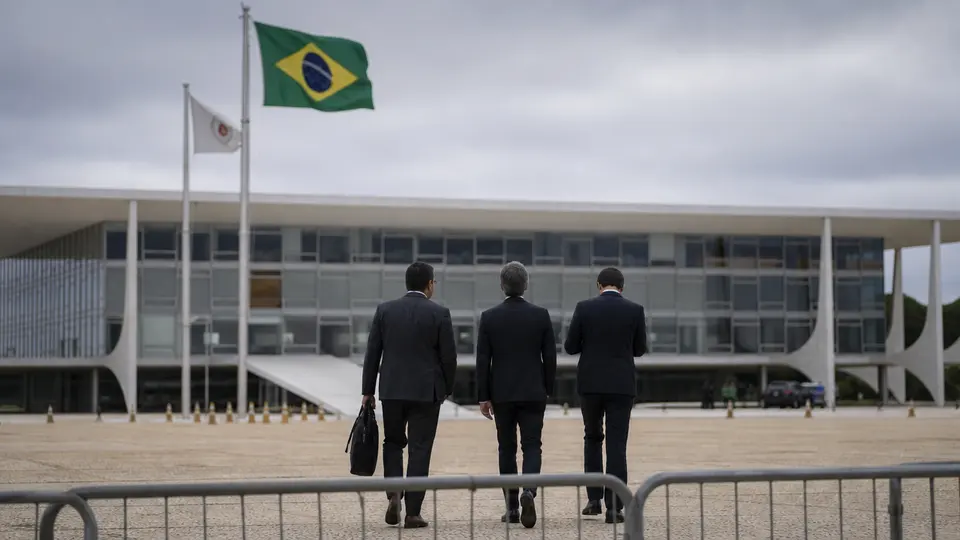
Brazilian presidential candidate Romeu Zema, of the Novo party, has pledged to grant amnesty or establish what he described as a "non-political tribunal" for those convicted in connection with the January 8 unrest, in which crowds stormed government buildings in Brasília.
Zema disputes the convictions
Speaking during a televised interview on a programme by Jornal Nacional, the former governor of Minas Gerais alleged that those convicted had been subject to "persecution" and disputed the criminal charges brought against former president Jair Bolsonaro. Zema acknowledged that vandalism and destruction took place on January 8, but argued that the absence of gunfire meant the episode had been mischaracterised by the judiciary.
"Was a single shot fired? There was no such movement. In my opinion, it was a totally political trial," Zema said.
Proposals left without detail
Zema did not specify the legal mechanism by which either an amnesty or a new tribunal would be constituted, nor did he clarify how such measures might interact with existing judicial rulings. His remarks nonetheless represent the most direct commitment yet by a leading presidential contender to revisit the outcomes of the January 8 prosecutions. The extent to which these proposals could be implemented — and whether they would survive constitutional scrutiny — remains unresolved.
With Brazil's 2026 presidential race taking shape, Zema's position signals a clear electoral strategy of appealing to voters who regard the January 8 proceedings as politically motivated, even as the courts maintain the convictions stand on their merits.
More in Politics
→

Read in another language