UAE's 'Predatory' Push into Africa
- A Financial Times investigation has characterised UAE strategy in Africa as 'imperialist', pointing to investments in ports and mining as well as alleged military involvement in
- Gulf states researcher Jean-Loup Samaan describes the Emirates' economic relationship with African nations as 'predatory', suggesting structural inequality in these arrangements.
- The UAE has become a major economic and strategic actor in Africa in recent years, but the nature and intent of its expanding footprint remain disputed and incompletely documented.
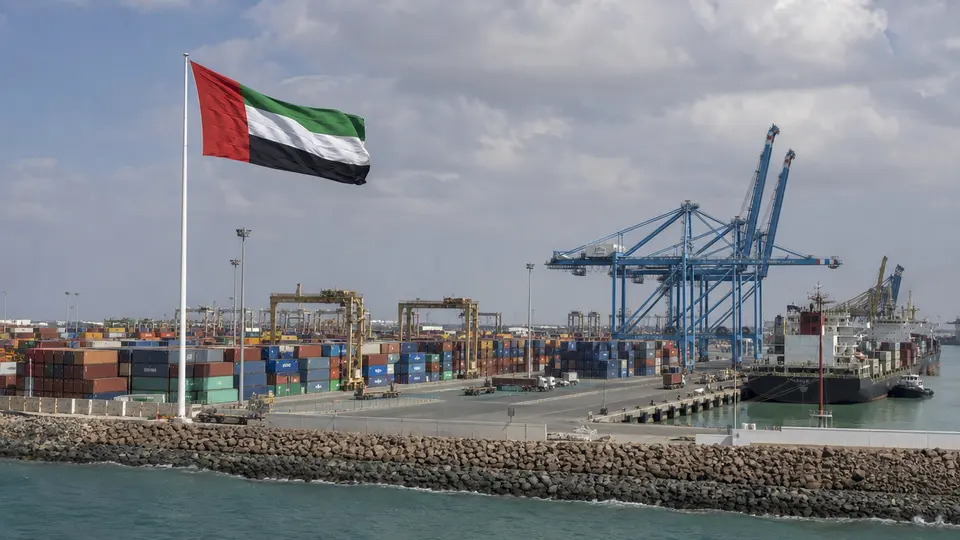
The United Arab Emirates has, within a matter of years, established itself as a major economic and strategic force across Africa — a transformation now drawing sharp scrutiny following an investigation that characterises Emirati conduct on the continent as "imperialist".
An investigation into influence
A Financial Times investigation published earlier this month details what it describes as a deliberate Emirati strategy of influence, encompassing investments in African ports and mining operations alongside military interests and alleged support for certain parties in ongoing African conflicts. The investigation's use of the word "imperialist" signals a particularly blunt assessment of Abu Dhabi's continental ambitions.
What analysts say
Jean-Loup Samaan, a researcher specialising in Gulf states at the Middle East Institute of the National University of Singapore, characterises the UAE's approach as a "predatory economy" in relation to African nations. His framing suggests a structural asymmetry in these economic relationships, though the full breadth of his analysis addresses the question of what the Emirates' strategy in Africa genuinely comprises.
Military dimensions and conflict involvement
Beyond the commercial sphere, the UAE's activities in Africa are alleged to extend into the security domain, with the Financial Times investigation pointing to Emirati military interests and support for specific actors within African conflicts. These allegations remain subject to the framing and findings of that investigation; independent official responses to the specific characterisations had not been reported in the available material.
A widening footprint
The broader implication is that the Gulf state's presence in Africa — spanning infrastructure, extractive industries, and reportedly security arrangements — has grown sufficiently entrenched to attract the kind of sustained investigative attention more commonly directed at older colonial or great-power actors. Whether that presence constitutes a coherent grand strategy or a series of opportunistic investments remains, on the current evidence, an open question.