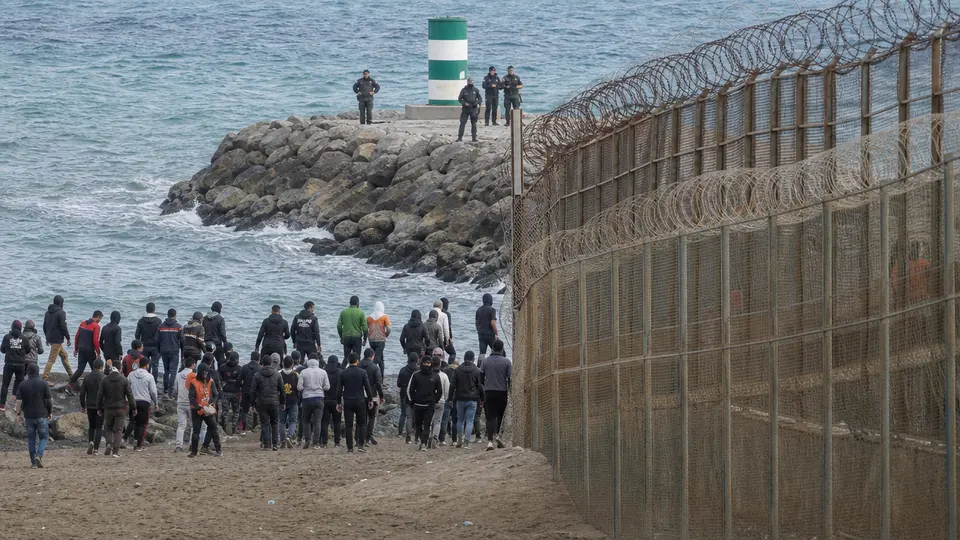
Spain Tightens Asylum and Migration Laws
- Spain's cabinet has approved a preliminary draft to reform immigration and asylum laws, accelerating rejection procedures in line with the EU migration pact.
- The Interior Minister says the reforms respect migrants' human rights and preserve individualised assessments, but coalition partner Sumar has again raised objections over the
- The move comes during the ongoing Ceuta migration crisis and leaves unresolved whether Sumar's objections will alter the final legislative text.

The Spanish government has approved a preliminary legislative draft to reform the country's immigration and asylum laws, tightening procedures and accelerating the rejection of asylum claims in line with the new European Union migration pact. The measure was passed on Tuesday at the cabinet's first Council of Ministers meeting following the summer recess, amid the ongoing migration crisis centred on Ceuta.
What the reforms entail
The draft legislation would expedite processes for denying asylum applications, thereby bringing forward the point at which irregular entrants could face potential expulsion. The government has framed the reforms as a necessary alignment with obligations under the EU's new migration framework. Officials confirmed, however, that the changes do not remove the requirement for an individualised assessment of each person who enters the country irregularly — a procedural safeguard that remains in place.
Coalition friction over tightened rules
The junior coalition partner Sumar has raised objections to the draft, as it did on previous occasions, characterising the measures as a tightening of existing rules. The Interior Minister pushed back against that characterisation, arguing that the reforms are grounded in "respect for human rights" of migrants, though the attribution of that framing remains his alone and the underlying tension within the governing coalition has not been resolved.
The approval comes as Spain continues to manage the political and logistical fallout from the Ceuta crisis, where ministers have themselves warned of emerging disparities in how rights are applied to different groups of migrants. Whether Sumar's objections will delay or alter the final legislative text remains unclear at this stage.
If enacted, the reforms would represent a notable shift in Spain's asylum architecture — one that mirrors a broader hardening of migration policy across EU member states, with individual rights protections nominally preserved but processing timelines significantly compressed.