Britain Backs Ukraine Arms Independence
- Britain has released classified technical data on its Scalp cruise missile components, enabling Ukraine to assemble the weapon domestically rather than rely on western supply
- Andy Burnham's visit to Kyiv formalised the handover, which is intended to reduce Ukraine's strategic dependence on allied arms stockpiles and political approval cycles.
- Russia has threatened Britain over the disclosure, though comparable western escalatory steps have to date not provoked a direct NATO-Russia conflict.
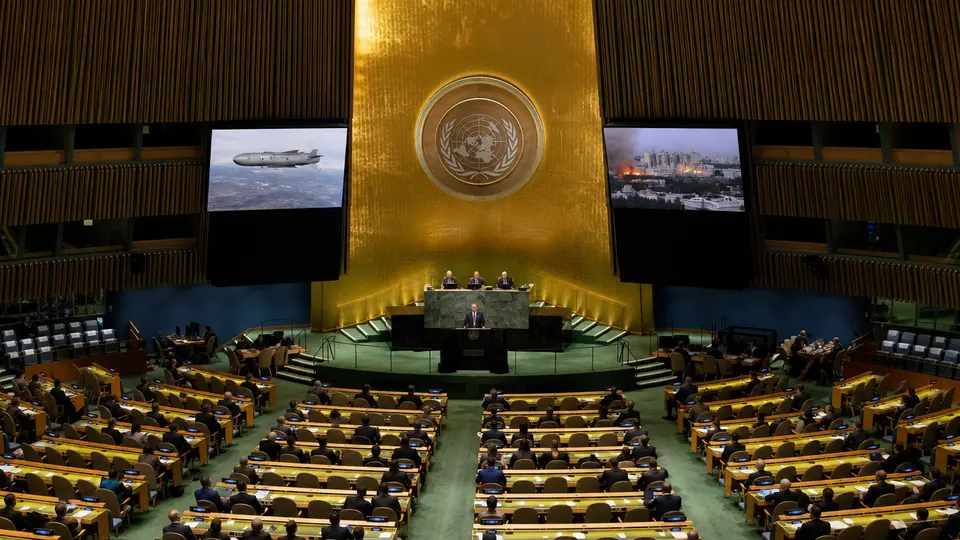
Britain has taken a significant step in its support for Ukraine by releasing classified technical data on its components of the Scalp cruise missile — the French variant of the Anglo-French Storm Shadow — enabling Ukraine to assemble the weapon on its own soil. The move, underscored by Andy Burnham's visit to Kyiv, represents a strategic shift away from the model of western allies supplying finished arms and towards enabling Ukrainian self-sufficiency in high-end military production.
A new model of support
Until now, Ukraine has remained heavily dependent on the replenishment of western stockpiles and the political willingness of allies to release sophisticated weaponry. That dependency has at times proved costly: it was not until November 2024 that the Biden administration permitted Ukraine to use American weapons to strike deep inside Russian territory. The UK's decision to share the Scalp technical data marks a departure from that cautious, permission-by-permission approach. By helping Ukraine manufacture rather than merely receive advanced missiles, Britain is, in effect, ceding operational control — and thereby granting Kyiv a greater degree of strategic freedom.
Military picture and political context
Ukraine already possesses meaningful offensive reach. Its forces have deployed swarms of drones against Russian oil facilities, e-commerce warehouses and airfields. The addition of domestically assembled long-range cruise missiles would substantially extend that capability. Politically, however, the picture in Kyiv is described as having darkened for President Volodymyr Zelenskyy, even as the military situation has appeared to improve.
Russian reaction and the escalation debate
Russia has responded with threats to the UK's disclosure of missile data, warning that Britain is, in Moscow's characterisation, fuelling the conflict. Yet the argument that sharing advanced weapons technology constitutes unacceptable escalation has been repeatedly tested and — so far — not borne out: thresholds once regarded as dangerously provocative have been crossed without triggering a direct Russia-Nato confrontation. Burnham has vowed to press ahead with support despite those warnings.
Implications
The broader significance of Britain's decision lies not merely in the provision of one additional weapons system, but in the precedent it sets. If Ukraine can produce its own advanced munitions, its capacity to sustain the war effort becomes less contingent on the shifting political winds of western democracies — a vulnerability that Moscow has consistently sought to exploit.