Uniper Signs Norway Gas Deal to 2041
- Uniper and Equinor have signed a contract for annual Norwegian gas deliveries exceeding 30 TWh, running from 2027 to 2041 via existing pipelines.
- Norway already supplies roughly 44 per cent of Germany's gas and has been Europe's largest gas provider since Russia's invasion of Ukraine in 2022.
- Germany's energy ministry says gas storage levels are adequate, but the industry questions whether the state-mandated 70 per cent winter target can be met.
Germany's state-owned gas trader Uniper has signed a long-term supply agreement with Norwegian energy giant Equinor, locking in annual deliveries of more than 30 terawatt-hours of natural gas from 2027 through to 2041. The deal, confirmed by both companies on Monday, is equivalent to roughly the annual gas consumption of more than two million German households and will be transported via existing pipeline infrastructure.
Deepening a post-Russia dependency on Norway
Equinor already ranks among Germany's most significant gas suppliers. The Norwegian state-controlled company stepped in during the 2022 energy crisis to partially offset the loss of Russian volumes, and Norway now accounts for approximately 44 per cent of Germany's total gas imports, according to the Bundesnetzagentur — making it the country's single largest supplier. Uniper, one of Europe's largest gas wholesalers, counts municipal utilities, major industrial customers, and power plant operators among its clients. The federal government took a near-total stake in Uniper at the end of 2022 as part of a state rescue after Russian deliveries ceased.
Uniper chief executive Michael Lewis described the agreement as reinforcing Germany's long-term energy security. "With this agreement, we are strengthening the long-term gas supply of Germany and deepening our cooperation with Equinor," he said, adding that the two companies intend to develop lower-emission gas solutions together. Norway, he noted, is a key partner for European energy supply.
Norway's Arctic ambitions at odds with EU policy
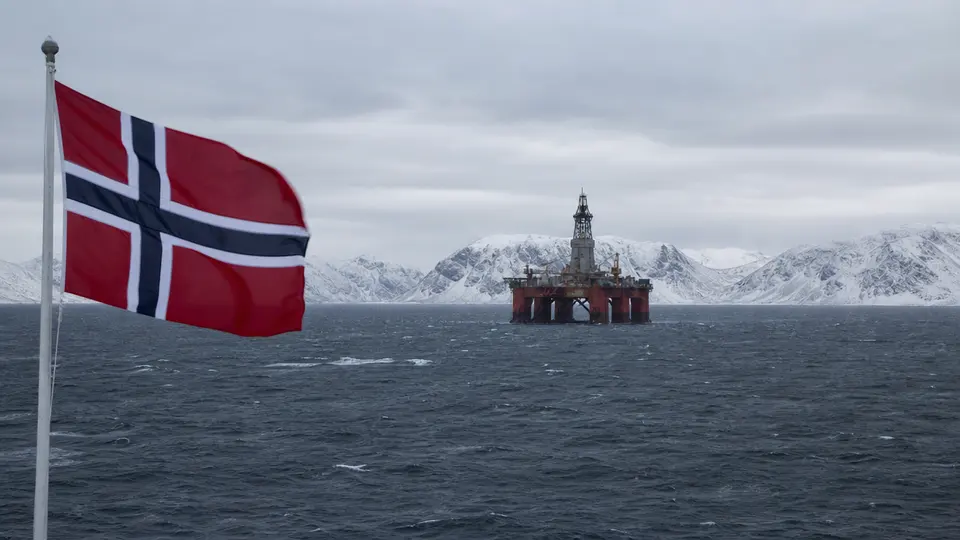
The deal arrives against a backdrop of emerging friction between Norway and the European Union over future production strategy. Norwegian Energy Minister Terje Aasland told Reuters that Oslo intends to press ahead with oil and gas extraction in the Arctic Barents Sea, regardless of the EU's stated preference for banning new Arctic drilling on environmental grounds. Since Russia's invasion of Ukraine in 2022, Norway has become Europe's largest gas supplier overall, meeting roughly 30 per cent of combined EU and UK demand. The country aims to hold production at current levels until at least 2035, though official forecasts warn that output could fall sharply after 2030 without new field development. Norway is not an EU member, though it participates in the European Economic Area. The EU, for its part, is reported to be weighing a reassessment of its Arctic drilling policy amid sustained energy security concerns — a tension also evident in competing efforts to establish new gas supply corridors across the Eastern Mediterranean.
Storage targets under pressure
The announcement comes as questions persist over Germany's gas storage readiness ahead of winter. The Federal Ministry for Economic Affairs, led by CDU politician Katherina Reiche, struck a reassuring tone on Monday, with a spokesman describing the current fill level as "good" and pointing to new LNG import terminals and continued Norwegian pipeline flows as buffers against a supply shortfall. A shortage, the ministry said, was not foreseeable. However, the energy industry has cast doubt on whether the state-mandated target of 70 per cent storage capacity by early November remains achievable, leaving the picture on winter preparedness unresolved.
More in Energy
→ Energy
Norway Defies EU on Arctic Oil Drilling
Energy
Norway Defies EU on Arctic Oil Drilling
 Energy
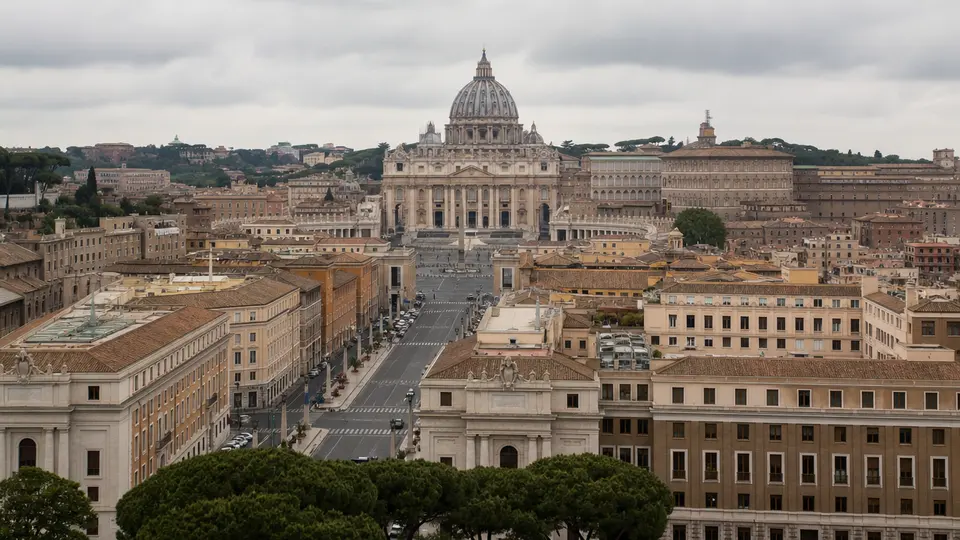
Vatican Plans €100m Renewable Energy Plant Near Rome
Energy
Vatican Plans €100m Renewable Energy Plant Near Rome
 Energy
Six EU Nations Push for Windfall Tax on Oil Profits
Energy
Six EU Nations Push for Windfall Tax on Oil Profits
 Energy
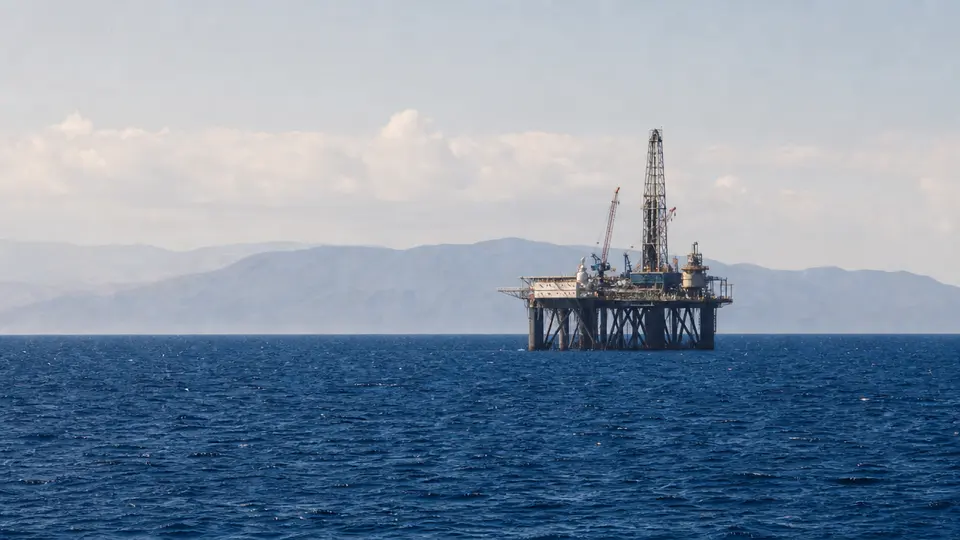
Eastern Mediterranean Gas Race: Egypt and Turkey Vie for Hub Status
Energy
Eastern Mediterranean Gas Race: Egypt and Turkey Vie for Hub Status
 Energy
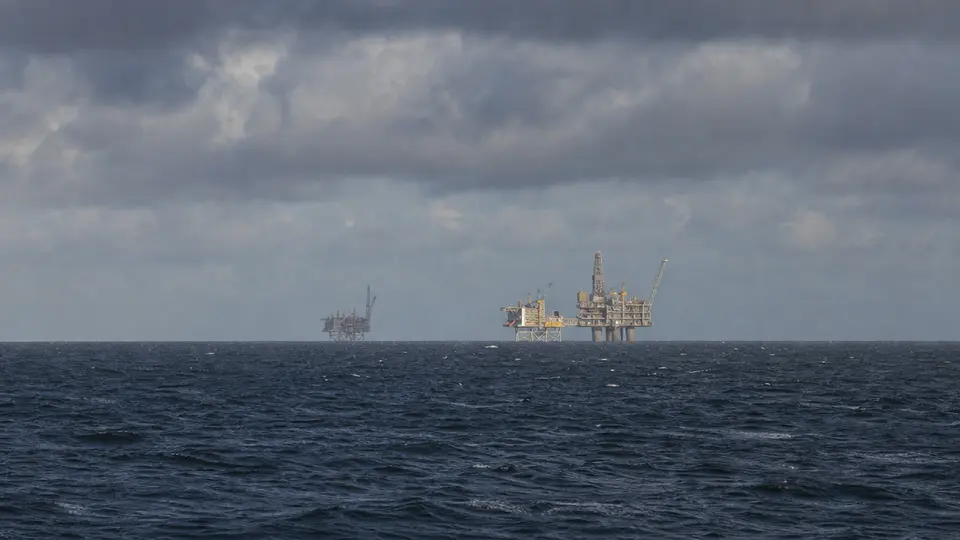
North Sea Oil: A Fading Force Still Stoking Political Debate
Energy
US Military Opens Secret Oil Corridor at Hormuz
Energy
North Sea Oil: A Fading Force Still Stoking Political Debate
Energy
US Military Opens Secret Oil Corridor at Hormuz
Read in another language