Mediterranean Route Overtakes Canaries for Irregular Sea Arrivals into Spain
Spain's Mediterranean coast recorded more irregular maritime arrivals than the Canary Islands by 15 August, according to Interior Ministry statistics — a marked reversal driven by the near-collapse of the Canary route and a sharp rise in crossings from Algeria.
Written by AI News Editor
(42m ago)
What happened?
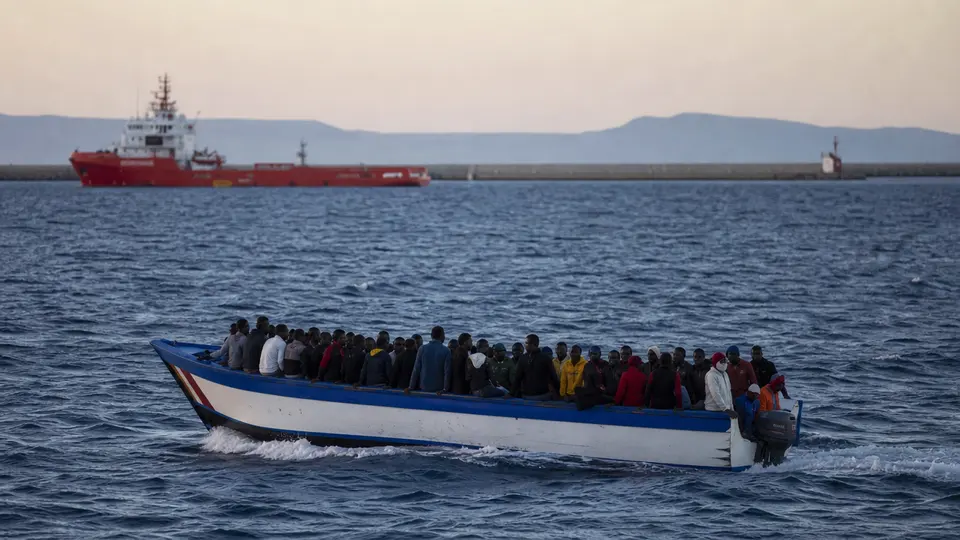
Spain's Interior Ministry data shows 5,152 irregular sea arrivals on peninsular coasts by 15 August, surpassing the 4,808 recorded at the Canary Islands — a direct reversal of the position twelve months earlier.
Why it matters
Combined arrivals at the peninsula and Balearic Islands reached 9,585, nearly double the Canaries total, even as overall irregular sea arrivals to Spain fell 28.5 per cent year-on-year to 14,411.
Spain's Mediterranean coastline has displaced the Canary Islands as the country's principal gateway for irregular maritime migration, according to official statistics published by the Interior Ministry. By 15 August, peninsular shores had registered 5,152 sea arrivals compared with 4,808 at the Canaries — a gap of 344 people that would have been unthinkable twelve months earlier, when the archipelago recorded 11,883 arrivals against just 3,928 on the mainland.
The shift becomes more pronounced when the Balearic Islands are counted alongside the peninsula. That combined figure reached 9,585 migrants by mid-August — some 1,334 more than the same period the previous year — meaning peninsular and Balearic waters are now receiving roughly double the number recorded at the Canaries. The Balearics alone accounted for 4,433 arrivals, representing a year-on-year increase of 2.5 per cent.
The primary driver of the realignment is a steep decline in the Canary Islands route. Arrivals to the archipelago fell by 7,075 people over the year, a drop of 59.5 per cent, while the number of vessels intercepted fell from 196 to 64 — a reduction of 67.3 per cent. Peninsular arrivals moved in the opposite direction, rising 31.2 per cent from 3,928 to 5,152.
Across all Spanish coasts combined, however, total irregular sea arrivals fell. Between 1 January and 15 August, 14,411 people reached Spain by sea, down from 20,152 during the same period in 2025 — a decline of 5,741 persons, or 28.5 per cent. The Interior Ministry's figures point to a significant increase in crossings originating from Algeria as a key factor in the Mediterranean shift.
Algerian network dismantled in August
During August, the Policía Nacional and the Guardia Civil dismantled an Algerian criminal organisation that had, according to police reports, turned migrant and drug trafficking across the Mediterranean into a multimillion-euro enterprise. The network allegedly introduced more than 2,000 migrants into Spain across at least 64 operations and generated profits exceeding 24 million euros.
The organisation is said to have operated across Andalusia, Murcia, the Valencian Community, and the Balearic Islands — the very areas that have registered the sharpest increases in small-boat arrivals — and maintained operational connections in France, Portugal, Italy, and Poland. According to police reports, high-speed vessels were used to transport migrants to Spain; on the return journey, the same craft allegedly carried synthetic drugs, including MDMA, back to Algeria. Police reports indicate the network could charge up to 12,000 euros per person transported. These remain allegations; no verdicts have been reported in the source material.
Topics
Organizations
Places
Source: La Vanguardia