Bitcoin Surges 25% on US Policy Shift
- Bitcoin rose more than 25% in a single week, climbing from under $63,000 to above $78,000, reversing a prolonged decline driven by rising interest rates.
- President Trump met executives from Coinbase, Ripple, and Gemini and pledged stronger crypto industry support, also pushing for rapid passage of the Clarity Act regulatory
- A short squeeze in futures markets contributed to the surge, though analysts warn this effect is by nature short-lived and cannot independently sustain the rally.
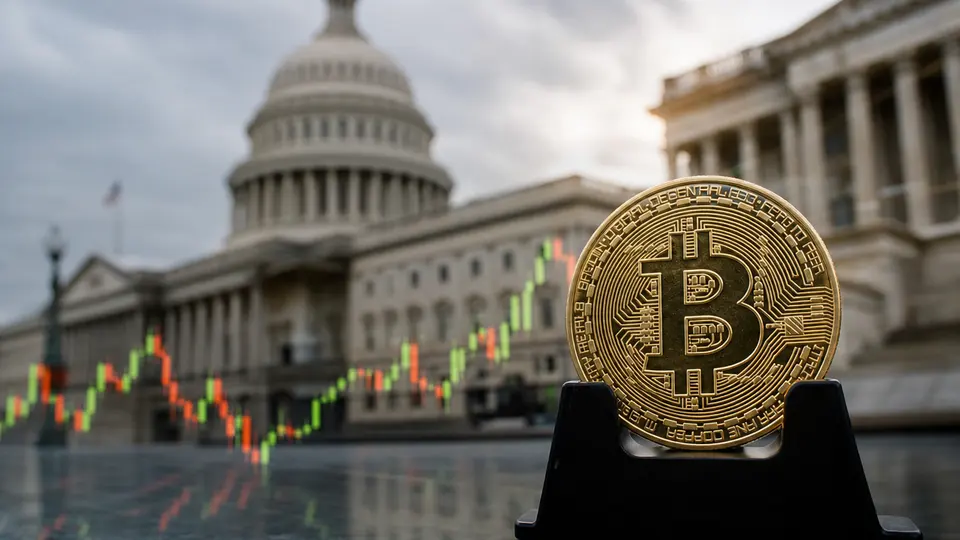
Bitcoin has staged a dramatic recovery, climbing more than 25 per cent in the space of a single week to trade above $78,000 — a sharp reversal for a currency that had slumped to under $60,000 as recently as late June. Market analysts identify three distinct forces behind the rally: political signals from Washington, a US Treasury bond buyback announcement, and a squeeze on bearish futures positions.
A testing year until now
The cryptocurrency had opened 2026 flirting with the $100,000 mark, only to spend much of the year in retreat as rising interest rates and shifting rate expectations weighed heavily on risk assets. By the end of June, bitcoin had fallen below $60,000. Last week alone it moved from under $63,000 to above $78,000.
Three catalysts identified
Timo Emden, chief market analyst at Captrader, wrote on Friday that the move was driven by what he called a "triad" of forces: political tailwind from Washington, a calming effect on the US bond market, and the unwinding of short positions. Each element carried a distinct — and not always straightforward — significance for crypto investors.
First, US Treasury Secretary Scott Bessent announced plans to increase the buyback of longer-dated government bonds from $2 billion to at least $4 billion. The measure is intended to suppress longer-term bond yields and settle nerves in fixed-income markets. Yet in precious metals and crypto circles, it was widely interpreted as a distress signal rather than a reassurance. Dominic Weibel of Bitcoin Suisse described the buyback as "trying to extinguish a fiscal wildfire with a bucket of water", arguing that since the repurchase must itself be financed with new borrowing, it does nothing to address underlying concerns about the scale of US government debt. "Gold and bitcoin immediately understood this message and gained in tandem," Weibel said. Advocates of cryptocurrency frequently argue that mounting sovereign debt erodes confidence in established currencies — a narrative the buyback announcement appeared to reinforce. The broader context of elevated US bond yields has added urgency to such concerns in recent months.
Trump pledges support at White House crypto summit
The second catalyst came directly from the White House. On the preceding Wednesday, President Donald Trump met senior representatives of Coinbase, Ripple, and Gemini, along with relevant regulatory authorities. Trump indicated that his administration would provide stronger backing for the crypto industry, framing it explicitly as a matter of geopolitical competition with China. He also pressed for rapid passage of the so-called Clarity Act, a proposed piece of legislation intended to establish a comprehensive regulatory framework for digital currencies. Supporters of the bill argue it would meaningfully increase institutional acceptance of cryptocurrencies, though the legislation has not yet been enacted.
Short sellers caught out
The third factor is more mechanical in nature. Speculators who had taken short positions against bitcoin in futures markets were forced to buy the currency quickly once the price moved against them, in order to limit their losses. This dynamic — a short squeeze — is well established in equity markets and its appearance in crypto trading reflects, at least in part, how far the asset class has penetrated mainstream financial markets. Analysts note, however, that such forced buying is inherently short-lived and cannot sustain a rally on its own.
DAX holds steady in a crowded week
While bitcoin grabbed attention, German equity markets remained subdued. The DAX was trading almost flat at 26,125 points during early afternoon trading, having only just ended a run of losses on Friday by reclaiming the 26,000-point level. Investors appear to be holding back ahead of a busy stretch of economic data and corporate results. For wider context on the pressures affecting European markets, see our earlier coverage of the DAX's recent hesitancy.
The durability of bitcoin's recovery remains uncertain. The Clarity Act has yet to pass, the bond market strains that prompted Bessent's buyback announcement have not been resolved, and the short-squeeze element of last week's move is by its nature transitory. Whether the rally marks a genuine shift in sentiment or a volatile spike in a still-troubled year for crypto investors is a question the coming weeks will begin to answer.
More in Markets
→ Markets
Ukraine Targets Ozon; Shares Fall 30%
Markets
Ukraine Targets Ozon; Shares Fall 30%
 Markets
DAX Edges Lower as Nvidia Results and US Inflation Loom
Markets
DAX Edges Lower as Nvidia Results and US Inflation Loom
 Markets
Shein Targets $27bn Valuation in Stock Market Debut
Markets
Shein Targets $27bn Valuation in Stock Market Debut
 Markets
US Corrals Japan's Treasury Bonds as Dollar Model Strains
Markets
US Corrals Japan's Treasury Bonds as Dollar Model Strains
 Markets
DAX Slides Below 26,000 as Bond Yields and Oil Weigh
Markets
DAX Slides Below 26,000 as Bond Yields and Oil Weigh
 Markets
Shein Eyes Hong Kong IPO After London and New York Failures
Markets
Shein Eyes Hong Kong IPO After London and New York Failures